
A social media post detailing a user’s manager’s experience of living in a high-rise apartment and listing 13 drawbacks has sparked online debate over whether premium upper-floor living is truly worth the cost.
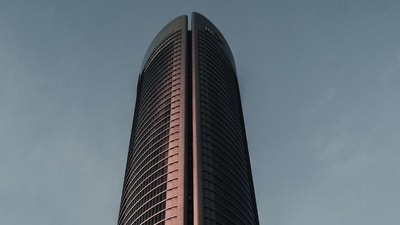
According to the post, the manager purchased a flat on the 21st floor for ₹1.5 crore but sold it after 4 years, frustrated by the practical challenges of living at such a height.
The ‘X’ post highlighted the downside of living in high-rise apartments. The post listed issues such as dust, lift failures, poor mobile network, crowded elevators, and delivery challenges on upper floors. ‘Big items don’t fit in the lift, so workers carry them up the stairs and charge extra every time,’ it said.
While several users agreed with the concerns and called high-rise living inconvenient, others defended upper-floor apartments, citing better privacy, ventilation, sunlight, and views. The discussion eventually turned into a broader conversation on whether premium high-rise homes offer genuine comfort or come with expensive trade-offs.
The post noted that while the apartment initially offered an impressive skyline view, the novelty reportedly faded within weeks. Over time, the manager began to feel that the drawbacks outweighed the luxury associated with high-rise living. Contrary to the common belief that higher floors are free from mosquitoes, he claimed this was untrue. He also said that dust and noise levels were worse than expected because there were no surrounding trees or buildings at that height to act as barriers.
“They told me higher floors have no mosquitoes. Biggest scam ever. Do people living on the 15th floor and above actually enjoy living in a high-rise apartment? Or are we all just paying extra for a better Instagram view?
The only good thing about the 21st floor was the view. It got boring in 2 weeks. The problems lasted 4 years,” the post said.
“People buy high floors for status and skyline photos. But real comfort is convenience, accessibility, and peace of mind. Sometimes, lower floors or even an independent house make more sense than a sky-high address,” the post said.
The post further highlighted several lifestyle inconveniences. The manager allegedly developed Vitamin D deficiency due to limited access to sunlight and reduced outdoor activity, as taking the lift down for walks often felt inconvenient.
Delivery of large items became difficult, lifts were frequently crowded, and carrying bulky furniture upstairs involved additional labour charges. According to the post, unreliable mobile signals in lifts and weak network connectivity on higher floors also disrupted important work calls.
“Big items don’t fit in the lift. They carry it up the stairs. They demand more…He was paying this surcharge on top of his EMI forever,” the post noted.
Health and maintenance issues were another concern raised. The post said that her manager claimed hard water from deep-bore wells in high-rise buildings contributed to hair fall and skin problems, while strong winds and harsh sunlight made it difficult to maintain balcony plants.
The manager also felt that living so high above ground during lockdowns created a sense of isolation, as stepping out casually was not as easy as it was for residents on lower floors.
“The lift feels like a local train, slow, stopping at , with kids often pressing every button,” the post said.
It also claimed that end up paying more for electricity bills despite using the same appliances. “My colleague on the ground floor runs the same AC but pays less. Since electric meters are usually in the basement, longer wiring to upper floors may lead to greater power loss and higher bills over time,” the user wrote.
The post argued that while high-rise apartments are often marketed as status symbols offering luxury views and exclusivity, real comfort for many residents may instead come from accessibility, , and ease of daily living.
Also Read:
X users share mixed experiences about living on higher floors
Several users agreed that lift dependency is one of the biggest drawbacks, especially during breakdowns or emergencies, while others pointed to issues such as dust, strong winds, poor network connectivity, construction noise, factory pollution, and difficulty maintaining balcony plants on upper floors.
Some said lower floors come with their own set of problems, including a lack of privacy, traffic noise, mosquitoes, rodents, and waterlogging during rains.
“Lower floor has more noise though because of traffic outside. So I do agree with most of points. It is trade-off we need to settle,” an X user said.
A few users argued that independent homes or farmhouses offer a more peaceful, aesthetically pleasing lifestyle than ‘box-like’ apartments in high-rises.
“I really don’t like it. I feel they are just boxes and won’t find aesthetic
I prefer house in farm,” said another post.
At the same time, many residents defended high-floor living, saying they enjoy better ventilation, sunlight, privacy, and views, and have faced none of the issues highlighted in the viral post.
Another user noted that people living on the ground floor or a low-rise also face issues such as “people throwing garbage , mosquitos are one thing, coackroach, worms and rats are common at ground, they have to pay maintenance even though there is no usage of lifts by them, rain water, privacy.”
Also Read:
Should homebuyers opt for a top-floor apartment?
Real estate developers often release ground-floor and top-floor units later in the sales cycle, as these homes typically attract strong buyer demand and command a premium. Top-floor apartments offer several advantages, including greater privacy and tranquillity. With less foot traffic than on lower levels, these homes are generally quieter and may also feel more secure. Unobstructed skyline views, better natural light, and stronger ventilation are among the key attractions, often reducing dependence on artificial lighting and enhancing overall living comfort, experts said.
Also Read:
However, the lifestyle comes with certain trade-offs. Longer lift wait times are a common complaint, and residents living on higher floors often acknowledge feeling uneasy during emergencies such as fire alarms, power outages, or lift failures, they added.
Disclaimer: This report is based on user-generated content from social media. HT.com has not independently verified the claims and does not endorse them