
Amid raw jute price volatility, Jute Commissioner imposes stock limits for improving availability
Jute Commissioner imposes stock limits to curb volatility and stabilize supply of raw jute for stakeholders nationwide.
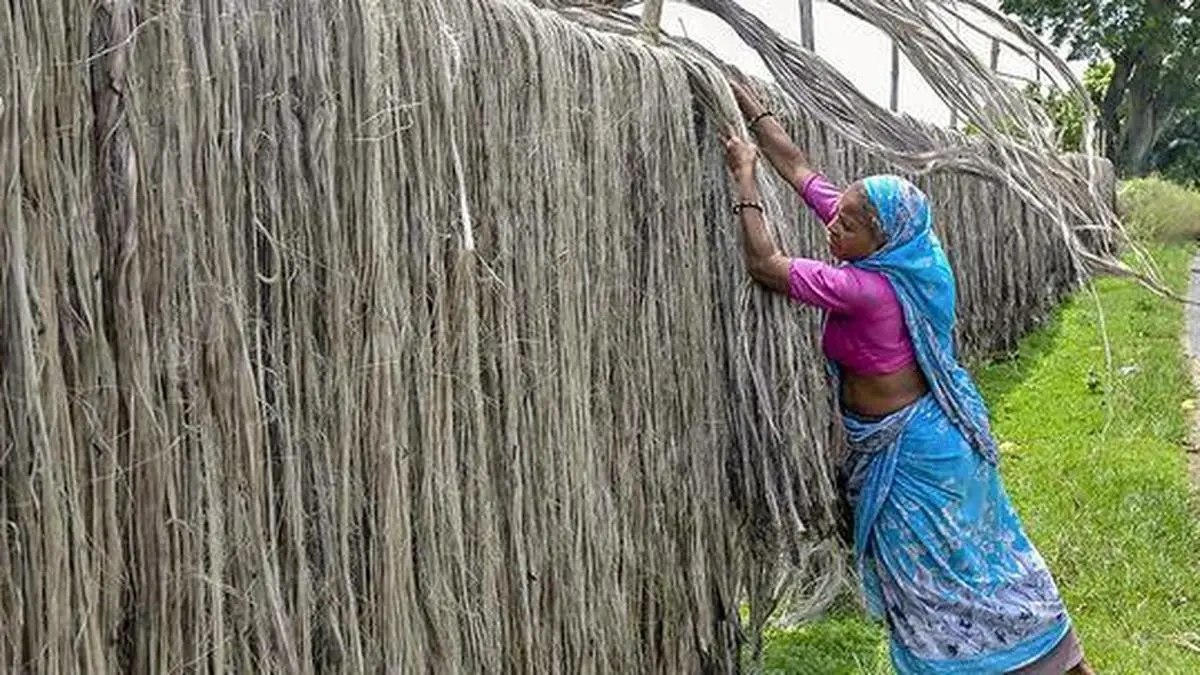
The Jute Commissioner has imposed stock limits on raw jute held by balers, stockists, traders and jute mills, directing entities holding stock in excess of the prescribed limit to sell the excess quantity and physically deliver it to buyers by December 10.
Amid high raw jute prices, the imposition of stock limits has been necessitated for improving the availability of raw jute for the stakeholders.
“The volatility in the prices and speculative increases have the potential to threaten the jute industry and have potential for disruption in the production and employment in the industry,” the Textiles Ministry said.
The order, issued by the Jute Commissioner under the Ministry of Textiles, said all purchases of fresh stock must stop until the stock held falls within the prescribed limit with immediate effect.
Raw jute stored at a single premise will be treated as a single stock, irrespective of whether it stands in the names of different traders, stockists or balers. Where entities share a godown or baling press, the aggregate quantity held on that premise must not exceed the prescribed limit, according to the regulatory instructions stated in the order, issued on November 27.
Under the new norms, raw jute balers with baling press in the same premises, registered with the Office of the Jute Commissioner, or those that applied for registration by the date of notification, cannot hold more than 1,000 quintals at any time.
For other registered stockists, or those who had applied for registration by the date of notification, the raw jute stock limit has been fixed at 100 quintals.
The maximum permissible stock has been restricted to five quintals for unregistered stockists and balers who have not applied for registration, as well as registered entities that are not submitting stock returns on the Jute SMART portal.
“Authorized representatives of the Jute Commissioner and State Police officials may enter and search premises, including godowns, inspect books and records to verify that stocks have been correctly declared, and seize raw jute reasonably believed to have been stored in contravention of the order,” it said.
The ministry said these measures are intended to stabilise jute supply, prevent market manipulation, and support the interests of farmers, manufacturers, and consumers nationwide.
Source: BusinessLine Economy
Disclaimer: This article is for general information and does not constitute investment, tax or legal advice. Markets and rates change; please verify with official sources or a qualified professional before you act.