
Fresh US Section 301 tariff proposal clouds export outlook; Indian exporters seek certainty
Indian exporters fear renewed Section 301 tariffs; experts urge guarantees of stability and safeguards before a trade pact.
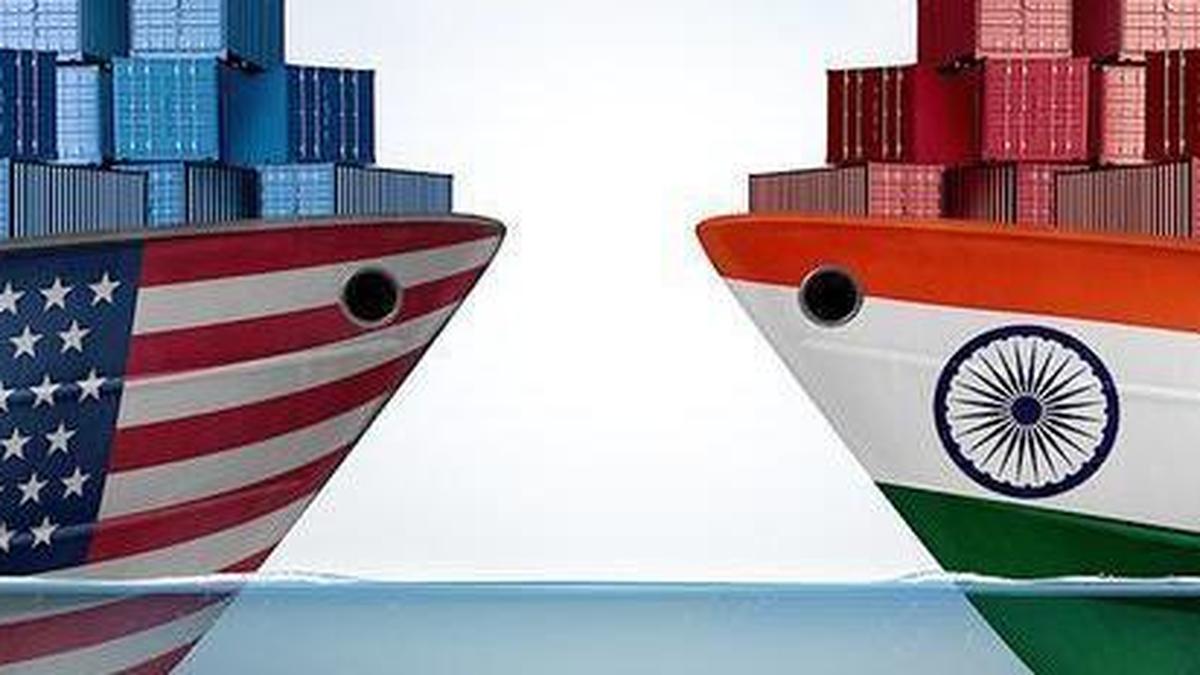
Indian exporters are concerned that the fresh tariffs proposed under Section 301, of up to 25 per cent, would add to the present uncertainties in the US tariff regime, making it harder to plan shipments and price orders in their largest export market. Trade experts have also questioned the rationale for concluding a bilateral trade agreement (BTA) without firm assurances that Washington will not impose fresh duties through other trade measures.
Pankaj Chadha of the Engineering Export Promotion Council of India said shipments from India take up to 60 days to reach the US, raising concerns that consignments dispatched under the existing tariff regime could arrive after the proposed higher duties come into force. “It has to be decided between the buyer and seller, to what extent each would bear the burden of the additional tariff,” he said.
Punitive duties
Textile exporter Sanjay Jain said the proposed increase in punitive duties (currently at 10 per cent) would hurt exporters even if India managed to negotiate the lower 17 per cent rate that has been proposed if a reciprocal deal is struck. “Any increment is a clear negative for an exporter. These everyday ups and downs make business very difficult as the buyer is not certain about his landed cost, and he sort of delays his buying decisions till the last moment. This definitely disturbs trade and the flow of trade,” he said.
Jain said stability was as important as competitive tariffs, adding that the government would have to weigh the concessions sought by Washington against the tariff advantage India could secure over competing suppliers.
Chadha questioned whether a 17 per cent rate would provide India with a meaningful competitive edge, given that several competing countries, including Bangladesh, Indonesia, Malaysia and Thailand, could face rates of around 18 per cent under their respective arrangements. “I am not entirely sure that gives us a significant competitive advantage,” he said.
Joint Secretary of the Tiruppur Exporters’ Association Kumar Duraiswamy said the latest announcement had come just as exporters were beginning to see some stability after repeated disruptions from US tariff uncertainty, container shortages, higher freight costs and geopolitical tensions in West Asia. He said the US allegations appeared misplaced and did not reflect the ground realities faced by Indian manufacturers.
Excess capacity
The latest proposals follow the USTR’s determination under Section 301 of the Trade Act of 1974 that India’s policies relating to structural excess manufacturing capacity and production are unreasonable and burden or restrict US commerce.
“Offering India a 17 per cent deal rate (versus 25 per cent without a pact) is a calculated bait designed to show a marginal 1–3 per cent tariff edge over rivals like Bangladesh, Vietnam, and China rather than an objective assessment of overcapacity,” pointed out Ajay Srivastava, Founder, GTRI.
Trade expert and former JNU professor Biswajit Dhar said the latest determination raised fundamental questions about the trust underpinning BTA negotiations. “There is a fundamental lack of trust that the US demonstrates towards India. We have gone through all procedures during the Section 301 investigation. The government has given evidence that there is no excess capacity. Even after that, the US government doesn’t want to listen,” he said.
Dhar said a trade agreement was meant to provide businesses with predictability on tariffs and trade rules. India should seek a commitment from Washington that it would not impose further duties through other trade instruments, he said. “What is the guarantee that tomorrow the US is not going to bring in other allegations against India under other trade policy instruments and try to negotiate an even better deal?”
(With inputs from T E Rajasimhan)
Source: BusinessLine Economy
Disclaimer: This article is for general information and does not constitute investment, tax or legal advice. Markets and rates change; please verify with official sources or a qualified professional before you act.