
From coal to crop: How coal gasification can strengthen India’s fertilizer security
With the right technology, sound economics and consistent policy support, gasification can help link India’s domestic coal resources to a more resilient fertilizer industry and to the needs of its farms
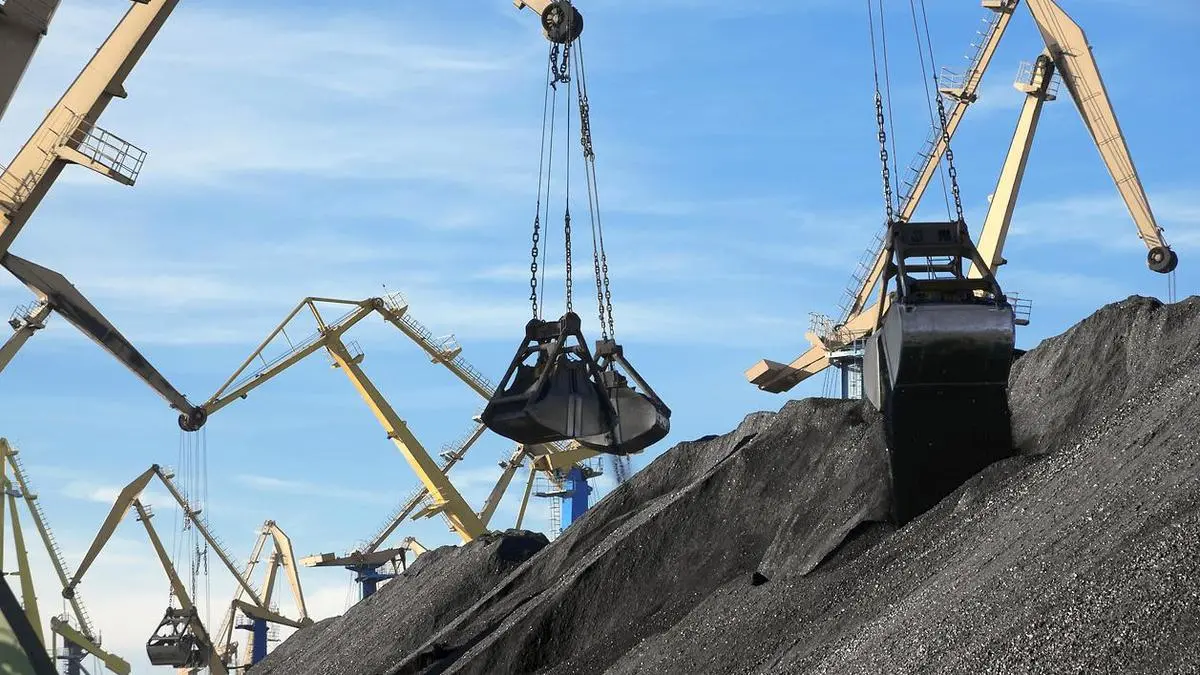
India’s fertilizer security depends on manufacturing capacity as well as on the availability and cost of the feedstocks used to make essential nutrients. With agriculture requiring reliable supplies of urea and other fertilizers, coal gasification offers a way to convert domestic coal into chemical inputs, diversify production routes, and reduce exposure to international supply disruptions.
During the last financial year, India imported urea and ammonia worth approximately US$8 billion. This underscores the need to strengthen domestic feedstock production and reduce import dependence across the fertilizer value chain.
From coal to chemical feedstocks
In coal gasification, raw coal is converted into synthesis gas, or syngas, which is mainly hydrogen and carbon monoxide. After purification, the hydrogen can be combined with nitrogen from the air to produce ammonia, the key intermediate in nitrogen fertilizer manufacturing. Ammonia can then be reacted with carbon dioxide to form urea, and other downstream processes can yield additional fertilizer products.
India could set up a parallel domestic feedstock route alongside its current natural-gas-based production. Integrated coal-to-chemicals facilities could connect coal resources with syngas, ammonia and fertilizer manufacturing, keeping more value within the domestic industrial economy.
Two applications, one industrial opportunity
Gasification is useful beyond chemical production. Chemical gasification produces syngas for downstream products such as ammonia, methanol and other industrial chemicals. Thermal gasification converts coal into producer gas, which can supply heat to industrial furnaces, kilns and boilers and may replace some conventional fuels where it suits the application.
The distinction matters for policy. Chemical gasification can help build domestic feedstocks over the longer term, while thermal gasification gives industries a separate way to use locally available coal in heat-intensive operations. Both need technologies suited to the intended use and to the characteristics of Indian coal, which often has high ash content.
Indigenous engineering capability, careful technology selection and reliable project execution will be central to turning coal reserves into industrial value. The aim should be solutions that are technically appropriate, commercially viable and backed by effective emissions and process controls.
From policy to production
In May 2026, the Indian government approved a ₹37,500-crore policy to encourage the gasification of surface coal and lignite. It supports the government’s plan to gasify 100 million tonnes of coal by 2030.
Policy support should encourage viable projects in both chemical and thermal applications. Alongside incentives for capital-intensive coal-to-chemicals facilities, policymakers can look at how suitable financing, predictable coal access and common performance standards could help industrial users adopt thermal gasification. Support should be tied to measurable outcomes, not just announced capacity.
The economics and the environmental test
The cost argument for coal gasification is becoming harder to overlook. In some industrial applications, thermal gasification has already brought down heating costs by almost half. Thermal efficiencies of around 90 per cent have also been recorded. For industries such as steel, cement and metals, where fuel costs account for a significant share of operating expenses, these savings can make a real difference to the economics of production.
The environmental side has seen similar progress. Carbon capture is now being built into gasification systems, with reported efficiencies in the range of 80-90 per cent. Water use is another area where technology has made a difference. Zero Liquid Discharge systems, for instance, allow process water to be treated and reused within the gasification cycle, reducing freshwater requirements and liquid waste.
Building fertilizer resilience
The value of coal gasification lies in diversifying domestic production, strengthening industrial capability and reducing vulnerability to external supply shocks. Upgrades to existing plants, efficient use of resources and renewable-based hydrogen and ammonia can complement it.
Success will be measured by how reliably fertilizer is produced, how many imports are displaced, what production costs and what environmental performance is achieved. With the right technology, sound economics and consistent policy support, gasification can help link India’s domestic coal resources to a more resilient fertilizer industry and to the needs of its farms.
(The writer is MD, CASE Group)
Source: BusinessLine Markets
Disclaimer: This article is for general information and does not constitute investment, tax or legal advice. Markets and rates change; please verify with official sources or a qualified professional before you act.