Govt to re-launch ‘Bharat rice’ as prices rise, asks stakeholders to declare stock
The agencies have also been directed to explore all possible distribution channels to ensure wider reach and easy accessibility of ‘Bharat Rice’ to consumers, the Food Ministry said in a statement.
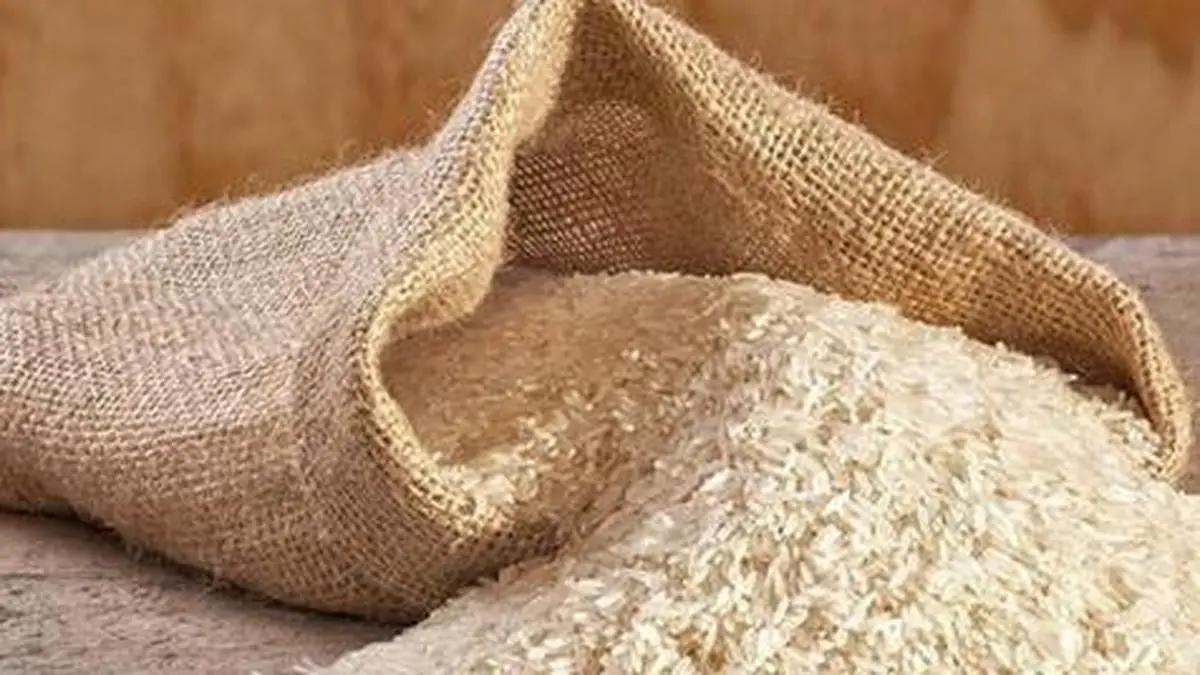
The Centre on Friday doubled the target for rice sold through e-auction under the Open Market Sale Scheme (Domestic) for 2026-27 to 50 lakh tonnes (lt) after 25 lt got sold in seven months to October compared with 11 lt sold in the same period last year.
The government has also asked cooperatives NAFED, NCCF and Kendriya Bhandar to expand their footprints across the country, particularly in the southern States.
The agencies have also been directed to explore all possible distribution channels to ensure wider reach and easy accessibility of ‘Bharat Rice’ to consumers, the Food Ministry said in a statement.
“The initiative is expected to augment market supplies, improve consumer access to rice at affordable prices and contribute to moderating retail prices,” it said, adding NAFED, NCCF and Kendriya Bhandar are getting additional allocations under ‘Bharat Rice’ programme.
Retail rice inflation rose to 8.25 per cent year-on-year in September from 5.89 per cent in August, with the average retail price at around Rs 48.23 per kg, which is 12 per cent higher than a year earlier. The cooperatives did not show much interest in the ‘Bharat rice’ programme last year even though the government had allocated some quantity for it.
Major factors
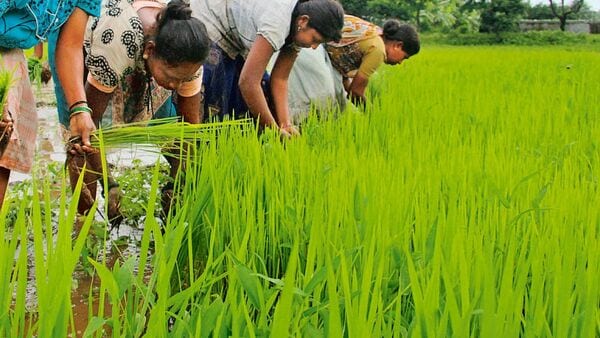
Lower acreage of paddy in Kharif season as well as deficient and uneven rainfall in States are the major factors of this year’s inflation in rice, particularly in premium non-Basmati varieties.
The government has also directed traders, retailers, wholesalers, processors and millers across the country to declare their rice and paddy stocks. Besides, Andhra Pradesh, Karnataka, Kerala, Tamil Nadu and Telangana have been permitted to impose stock limits on both rice and paddy if there is such a need.
Stating that these measures have been taken to to ensure adequate domestic supplies, maintain price stability, prevent hoarding and safeguard consumer interests, the Food Ministry said that all the traders, wholesalers, retailers, big chain retailers and processors/millers across all States would have to declare online their stock positions of Basmati Rice, Non-Basmati Premium Rice, non-Basmati Rice, Parboiled Rice, Broken Rice and Paddy every Friday in the specified portal.
“With a view to ensuring the availability of rice to consumers at reasonable prices, particularly in the southern States, the Government of India has conveyed its concurrence to the State Governments of Andhra Pradesh, Karnataka, Kerala, Tamil Nadu and Telangana to impose stock limits on paddy and rice through appropriate control orders, wherever considered necessary,” the ministry said adding these stock limits (if imposed) shall remain in force up to January 31, 2027.
Kharif estimate delayed
The Centre and states will monitor implementation to ensure adequate availability and prevent hoarding and black marketing, the statement said.
Kharif acreage under paddy (both Basmati and non-Basmati) for 2026-27 declined by about 4 per cent to 42.68 million hectares due to deficient rainfall in many states. While the government is yet to issue its first production estimates, trade and industry have pegged it at around 112-115 million tonnes (mt) in Kharif 2026-27. India had produced 124.76 mt of rice in Kharif 2025-26.
Source: BusinessLine Economy
Disclaimer: This article is for general information and does not constitute investment, tax or legal advice. Markets and rates change; please verify with official sources or a qualified professional before you act.