
Logistics links, shipping services emerge as key drivers for India's maritime growth: Report
Indias next phase of maritime growth will depend on improving logistics, inland connectivity and shipping services rather than simply expanding port capacity, according to a Ficci-Kearney report. Cargo handled at major and non-major ports rose 38% between FY18 and FY26, outpacing the 22% increase in…
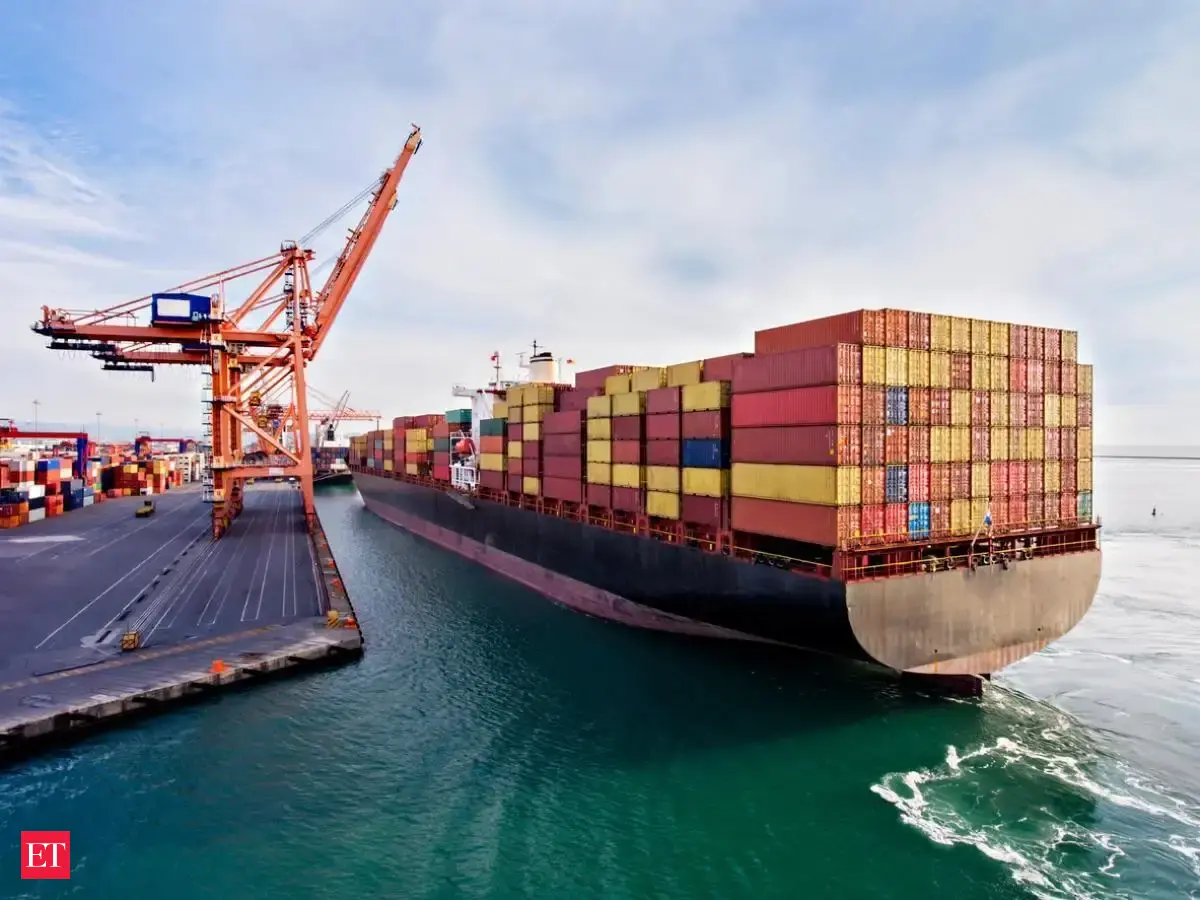
Mumbai, The next phase of India's maritime growth will be decided less by berths and cranes than by the shipping services, inland connectivity, logistics and industrial corridors that connect ports to markets, according to a report. The report emphasised the need for better logistics coordination, saying cargo growth is outpacing capacity expansion and that as much as 84 per cent of measured export time occurs after approval. The report titled India's Maritime Agenda for 2030: From efficient ports to globally connected trade gateways jointly prepared by Ficci-Kearney also called on the government and industry to develop differentiated strategies by 2030 for four types of container gateways, transshipment hubs, industrial and energy gateways, and specialised export corridors.
The report recommended that the Ministry of Ports, Shipping and Waterways and state governments should define the cargo, industrial catchments and overseas markets each priority gateway will serve, and align investment with demonstrated demand. It also recommended road and rail links should be prioritised around actual cargo flows, jointly with the railways and road transport ministries. Shipment data and time-release studies should be used to identify where cargo spends time, and why.
According to the report, cargo handled at India's major and non-major ports rose 38 per cent between FY18 and FY26, from 1,209 million tonnes to 1,668 million tonnes, while handling capacity grew 22 per cent to 2.8 billion tonnes a year. At the same time, utilisation has climbed from 52 per cent to 59 per cent, leaving the system with considerable headroom, it said, adding that average vessel turnaround at major ports has fallen 18 per cent to about 49 hours, and Jawaharlal Nehru Port Authority (JNPA), Pipavav and Mundra all rank among the top 30 in the World Bank's Container Port Performance Index 2025.
The delays now lie elsewhere. At the four core seaports covered by the 2025 National Time Release Study, export approval took about 30 hours on average, but the interval between approval and vessel departure stretched to about 158 hours, or 84 per cent of total measured time, the report said. At Jawaharlal Nehru Custom House, customs clearance for exports averaged two hours 12 minutes in 2026, yet the full export cycle exceeded eight days, the report noted and cautioned that this reflects logistics activity and scheduled waiting, not only avoidable delay, but says it shows where coordination matters most .Terming transhipment as the second weakness, the report said that about 75 per cent of India's transhipment containers were handled at overseas ports as of May 2025.
The commissioning of Vizhinjam that month added deepwater domestic capacity, but subsequent shifts in shipping-line rotations show how hard hub status is to secure, it stated. Private participation has expanded under the Major Port Authorities Act 2021, with privately-run terminals handling about two-thirds of major-port cargo against a government target of 85 per cent by 2030. The report said 84 of the 294 road and rail projects identified to link ports with their hinterlands had been completed by July this year, and the 1,506-km Western Dedicated Freight Corridor connecting JNPA with Dadri was fully commissioned in March this year.
Drawing on the experience of Shanghai-Ningbo, Rotterdam, Jebel Ali and Singapore, the report assesses Indian gateways against six pillars, ranging from berth productivity and liner services to industrial clusters and digital border systems. The report also proposes a designated coordinator for each gateway, with every intervention assigned an owner, a funding route and a milestone, and performance tracked on total shipment cost, transit reliability, market access, cargo growth and commercial returns.
Source: ET Companies
Disclaimer: This article is for general information and does not constitute investment, tax or legal advice. Markets and rates change; please verify with official sources or a qualified professional before you act.