
No significant additional regulatory benefit from changing our structure, says Standard Chartered India Chief
SCB India sees no major regulatory or capital advantages in switching from a foreign branch to a WOS, focusing on enhanced branch formats like Priority Centres.
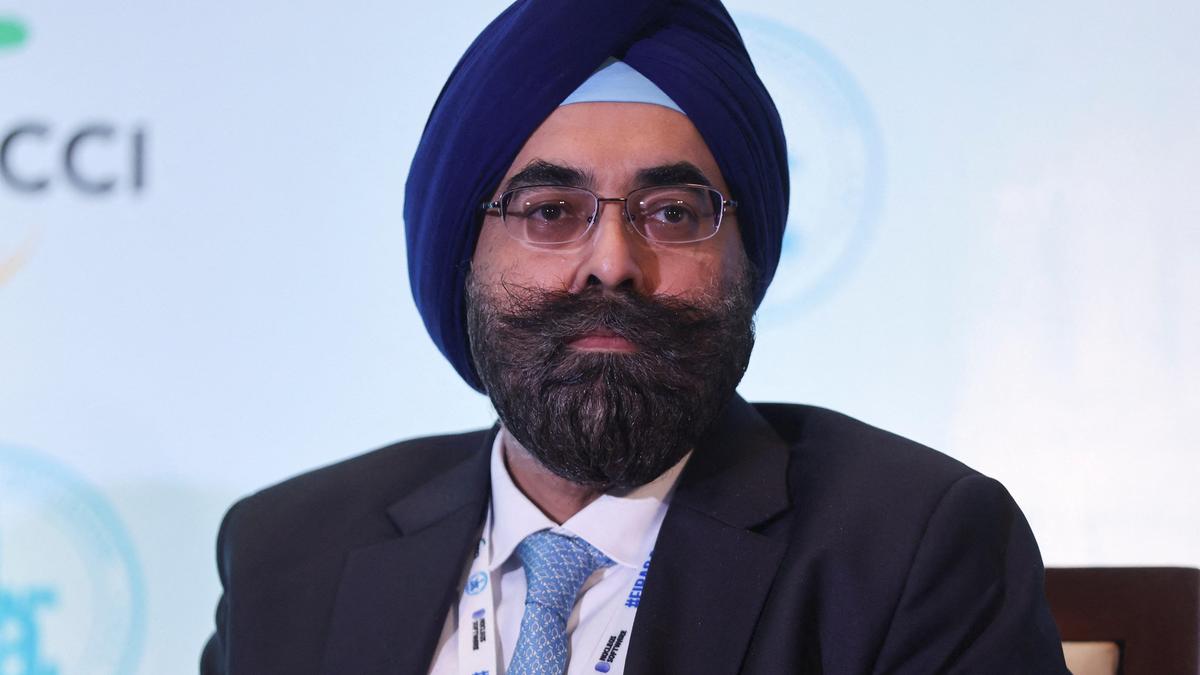
Standard Chartered does not see a significant difference between operating as a foreign bank branch and adopting the wholly owned subsidiary (WOS) structure, apart from certain specific capabilities, according to PD Singh, CEO for India & South Asia.
Further, in today’s digital environment, the foreign bank does not necessarily require a large number of additional physical branches.
Singh said, “The RBI also regulates us in much the same way as it regulates a wholly owned subsidiary. Therefore, there is no significant additional regulatory benefit from changing our structure.
“Another consideration is capital. The capital we maintain in India is ring-fenced but is also counted towards our parent’s capital. If this arrangement were to change, it might not necessarily be beneficial for the parent. For these reasons, we believe the existing structure continues to make sense.”
RBI regulations
According to RBI regulations, foreign banks which commenced banking business in India before August 2010, have the option either to continue their banking business through the branch mode or to convert those branches into a wholly owned subsidiary (with near ‘national treatment’).
The branch expansion of both the existing foreign banks and the new entrants present in the branch mode would be subject to India’s WTO commitments.
Singh noted that taxation is the principal area where Standard Chartered would like to see greater parity.
“Foreign bank branches are subject to higher taxation compared with what they might face under a subsidiary structure. We have repeatedly requested the authorities to consider a level playing field, particularly because there is no significant difference in our ability to bring in capital or in the regulatory oversight applicable to us,” he said.
Currently, only two foreign banks — SBM Bank (India) Ltd and DBS Bank (India) Ltd — are operating through the wholly-owned subsidiary mode.
Standard Chartered currently has about 80 branches across India, making it the largest branch network among foreign banks operating in the country.
Priority centres
“Our strategy is not necessarily to increase the number of branches. Instead, we are focusing on improving the format and capabilities of existing branches. We are introducing specialised centres for global Indians and affluent customers within our existing branch network. These are called Priority Centres.
“We currently have around 20 such Centres, and our target is to increase this number to 30 by the end of 2026. These centres are not new branches; they are specialised facilities within existing branches,” Singh said.
He emphasised that the broader strategy is to consolidate branches where there is geographical overlap and focus on locations and formats that best serve customer requirements.
Source: BusinessLine Money & Banking
Disclaimer: This article is for general information and does not constitute investment, tax or legal advice. Markets and rates change; please verify with official sources or a qualified professional before you act.