RBI Guv flags the importance of responsible and sustainable credit growth by NBFCs
RBI Chief warns NBFCs to pursue responsible, sustainable credit growth with customer-first practices, robust cyber risk controls, and CKYC-enabled onboarding.

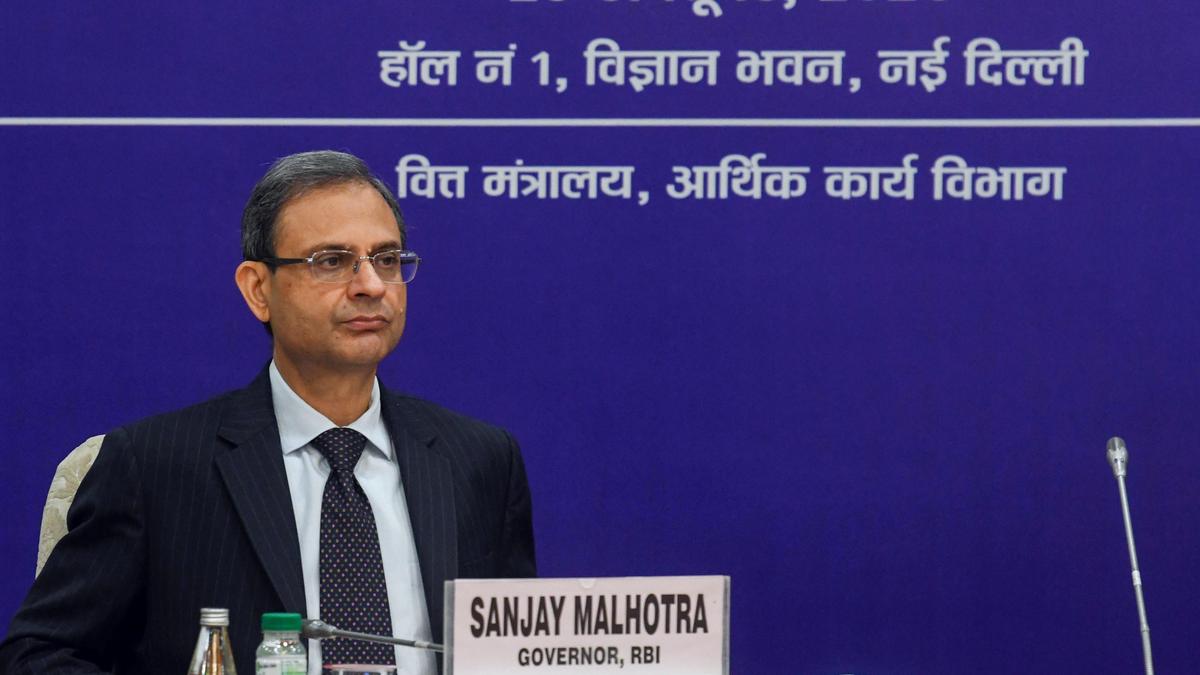
Reserve Bank of India Governor Sanjay Malhotra on Monday flagged the importance of responsible and sustainable credit growth by non-banking finance companies even as he urged them to put customers first as they expand their business.
The aforementioned observations come in the backdrop of NBFCs logging a strong 20.5 per cent year-on-year growth in credit in FY26.
The RBI top brass on Monday met with the chiefs of select NBFCs, including government NBFCs, housing finance companies, microfinance institutions and representatives of Sa-Dhan, the Micro Finance Institutions Network and the Finance Industry Development Council, comes in the backdrop of
While acknowledging the role of NBFCs and HFCs in supporting economic activity by widening access to credit, the Governor highlighted the importance of quality service, effective grievance redressal and fair recovery practices.
Malhotra also encouraged NBFCs to use the Central KYC Records Registry (CKYCR) for customer onboarding and to keep customer records in the registry up to date to improve customer convenience.
The Governor urged participants to strengthen their cybersecurity infrastructure and adopt a comprehensive, risk-based approach to managing cyber and IT risks, with appropriate oversight by their boards and senior management, per a RBI statement.
Meanwhile, Crisil Ratings, in a report, said NBFCs, including HFCs, are poised for another two years of strong growth, with assets under management (AUM) expected to reach ₹68 lakh crore by March 2028, marking a 20 per cent compound annual growth rate (CAGR) over this fiscal and next. Growth, however, will vary significantly across asset classes.
The agency noted that consumption demand remains resilient and supportive of credit growth. At the same time, relatively low credit penetration in several borrower segments, widening reach enabled by technology, and strong lender balance sheets provide a foundation for sustained growth. However, the impact of deficient monsoon, inflationary pressures, interest-rate movements and geopolitical uncertainties remain monitorable.
Source: BusinessLine Money & Banking
Disclaimer: This article is for general information and does not constitute investment, tax or legal advice. Markets and rates change; please verify with official sources or a qualified professional before you act.