Reaching women farmers where bank branches never will
The true measure of financial inclusion is whether a woman farmer can access the financial resources needed to build a more secure and productive livelihood
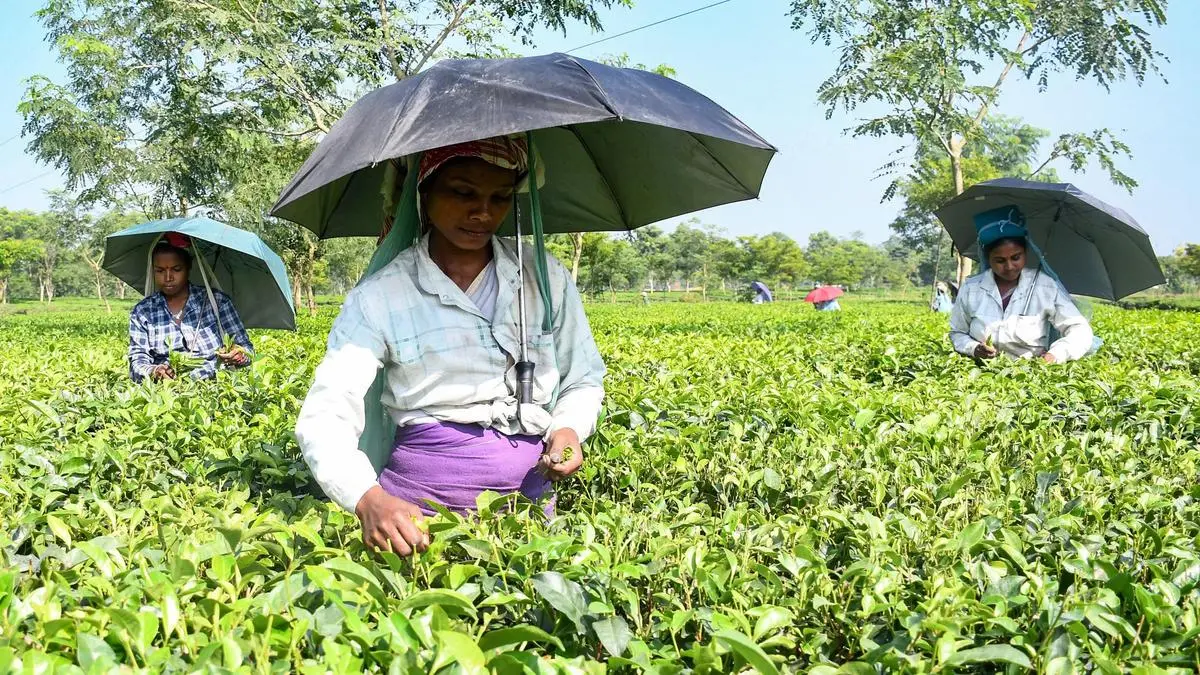
India’s agricultural economy depends heavily on women, yet its financial systems have not fully recognised them as independent economic participants. Women cultivate crops, manage livestock and sustain rural households, but their access to institutional credit often remains constrained by something more fundamental than distance from a bank branch: the absence of formal recognition as farmers.
This raises an important question. Are we bringing banking services closer to women farmers, or making financial services genuinely accessible to them?
The gap between contribution and recognition
According to the Periodic Labour Force Survey (2023–24), approximately 64.4 per cent of India’s employed women work in agriculture and allied activities. Yet, the Agriculture Census 2015–16 recorded only about 14 per cent of operational landholdings under women.
Although these indicators measure different aspects of agricultural participation, they reveal a structural challenge. Women’s contribution to farming does not necessarily translate into recognised control over agricultural assets.
For financial institutions, this distinction matters. Agricultural lending often relies on land records, documented income and established credit histories. Women cultivating family-owned or leased land may therefore struggle to demonstrate eligibility, even when they manage agricultural operations.
The challenge is not simply reaching the farmer. It is recognising who the farmer is.
Why the last mile reqires a different banking model
Traditional bank branches remain essential, but physical infrastructure alone cannot address rural financial exclusion.
For women farmers, visiting a distant branch can mean transportation expenses, lost working hours and additional household responsibilities. Documentation requirements and limited financial awareness create further barriers.
Business Correspondents (BCs) offer an important alternative by bringing basic banking services into villages. Through local banking touchpoints, women can access deposits, withdrawals, payments and assisted digital transactions without repeatedly travelling to branches.
However, BCs are not substitutes for banks’ credit assessment and lending responsibilities. Their greater potential lies in connecting underserved customers with formal institutions while strengthening financial awareness and trust.
The next step is to move beyond transaction access towards meaningful financial participation.
From credit access to agricultural productivity
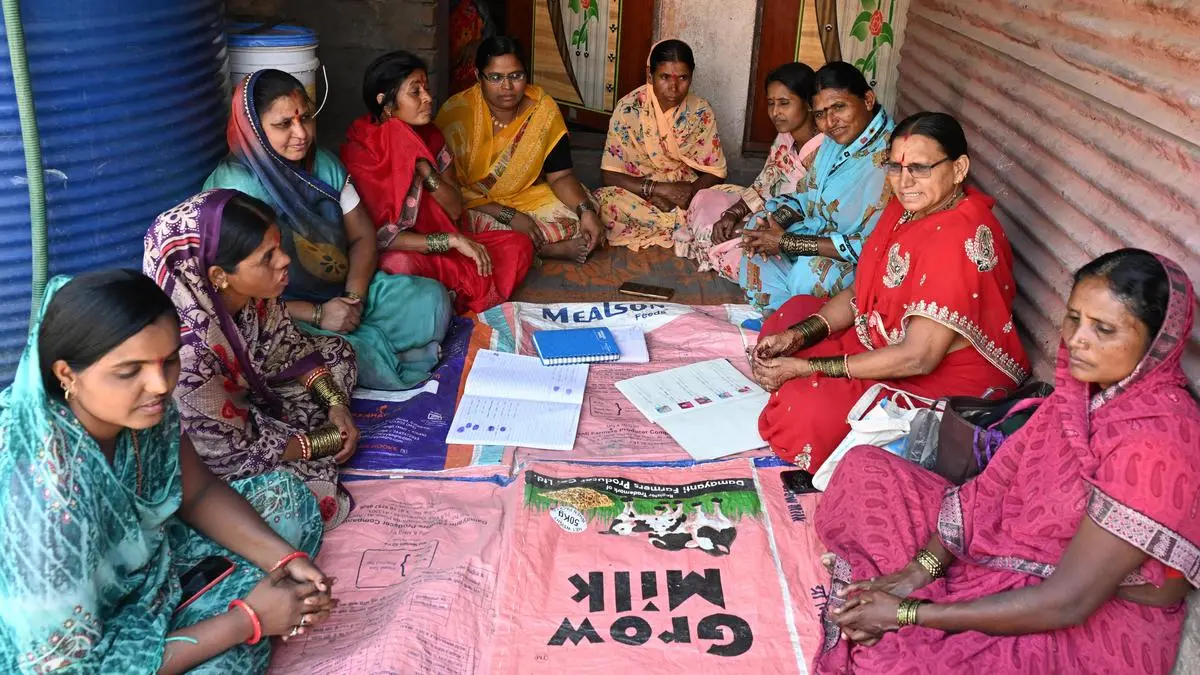
India’s Self-Help Group movement demonstrates the potential of community-based financial inclusion. NABARD’s Status of Microfinance in India 2024–25 report records approximately 1.23 crore women SHGs with bank savings linkages as of March 2025.
This network provides a foundation for financial participation, although savings linkages do not automatically ensure agricultural credit eligibility.
Women farmers need financing suited to agricultural realities: seeds before sowing, working capital during cultivation, and resources for livestock, irrigation and equipment.
Unlike salaried households, agricultural earnings are seasonal and vulnerable to weather and market fluctuations. Repayment schedules should therefore reflect crop cycles and realistic cash flows wherever appropriate.
Credit must also be supported by insurance awareness, financial literacy and market access. Otherwise, increased borrowing may not translate into higher productivity.
Building a More Inclusive Agricultural Credit System
In my view, three priorities deserve attention.
First, financial institutions should develop responsible ways to assess agricultural activity beyond conventional land ownership, within applicable regulatory frameworks.
Second, banks, BC networks and community institutions should strengthen assisted digital banking, financial education and awareness of available credit products.
Third, agricultural finance should relate to productivity, market opportunities and suitable risk protection.
For India’s financial inclusion ecosystem, success must increasingly be measured by outcomes rather than access alone.
The true measure of financial inclusion is not how close a bank branch is to a village, but whether a woman farmer can access the financial resources needed to build a more secure and productive livelihood.
The author is Managing Director & Co-Founder, SAVE Solutions Pvt. Ltd. (SAVE Group)
Source: BusinessLine Economy
Disclaimer: This article is for general information and does not constitute investment, tax or legal advice. Markets and rates change; please verify with official sources or a qualified professional before you act.