Star Health bets on Young Star Neo to expand insurance penetration among young Indians
Star Health launches Young Star NEO to woo India's youth, advocates stronger healthcare regulation, AI-driven fraud prevention, and sustainable premium practices.
With an eye on bringing in more youngsters into the insurance fold, standalone health insurer Star Health Insurance has devised a new product, Young Star NEO, for the younger generation.
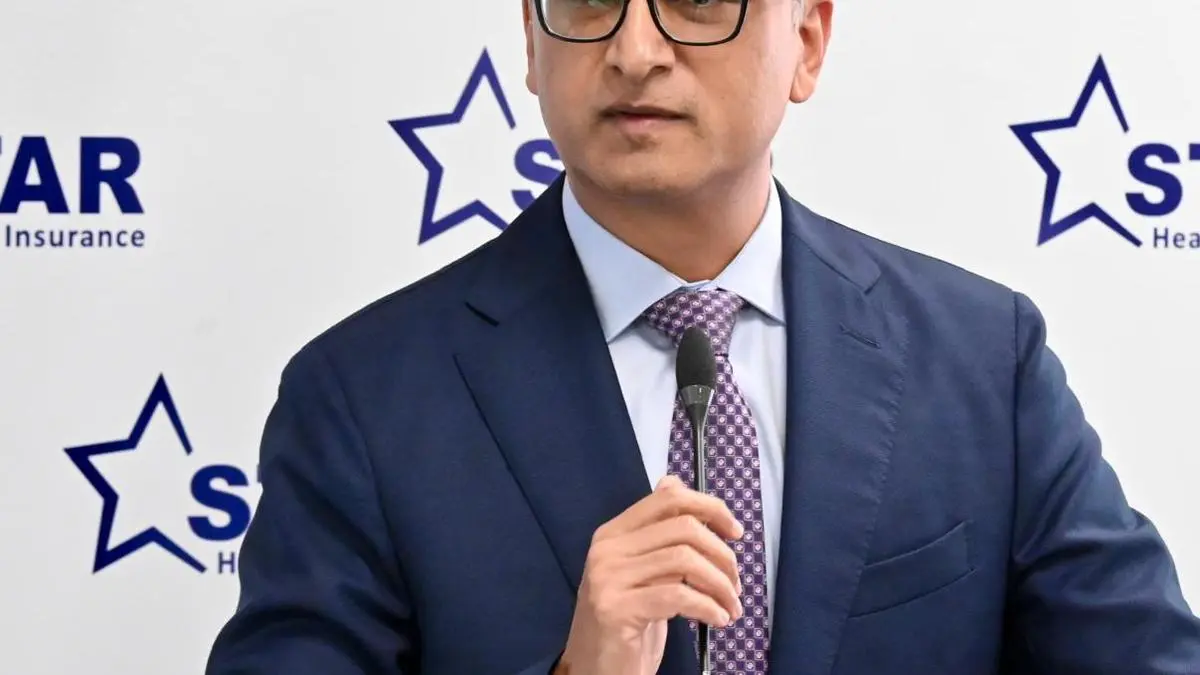
“When we take a stake in the profile of our new customers who came in last year, we found that less than 40 per cent are below 35 years of age. We felt that this is not the true reflection of the demography of the country,” Anand Roy, MD and CEO, Star Health and Allied Insurance Company Ltd told media persons in an interaction.
Available for those aged 18 to 40 years, Young Star NEO offers sum insured options from ₹10 lakh to ₹1 crore, including an unlimited sum insured option, and policy terms of one, two or three years.
In a first, Young Star NEO keeps the customer’s renewal premium constant until a claim is made, and even after a claim, the renewal premium is calculated at entry age + 1 year, instead of that equivalent to the customer's actual age at renewal, the company said.
Increased scrutiny
Amid increased scrutiny over rising medical inflation and its impact on health insurance affordability, Star Health CEO calls for greater regulatory oversight of the healthcare sector, including standardisation of treatment protocols and checks on hospital billing practices.
“There is a strong need for regulation/oversight/governance for the healthcare industry. The health insurance industry is a tightly regulated industry. The healthcare industry is a totally unregulated industry,” he said.
He also backed the proposed introduction of co-payment in health insurance policies, arguing that some degree of risk-sharing would help curb overbilling by healthcare providers.
Referring to the concerns raised by the Supreme Court, the Competition Commission of India and a parliamentary panel over practices in the healthcare sector, Roy said it was time for a country of India’s size and scale to have some form of oversight of the sector.
Meanwhile, the insurance industry, through the General Insurance Council, is working towards greater adherence to standard treatment protocols and addressing concerns around drug pricing, he added.
On concerns that the proposed introduction of co-payment would increase out-of-pocket expenditure for policyholders, Roy said a 10 per cent co-pay would not lead to a significant increase in such expenses, and some degree of risk-sharing was necessary in health insurance, as is the case with motor and property insurance.
AI in Insurance
Star Health is also using artificial intelligence (AI) to identify instances of insurance misuse in customer service and claims processing and anticipates that in the next three years’ time, the entire claims process will be automated through AI.
We have a data science team of over 100 members and access to two decades of proprietary data and are building AI models to bring down claims processing time from hours to minutes, he said.
He also stressed the need for industry-wide collaboration and data sharing through platforms such as the National Health Claims Exchange and the proposed Public Insurance Registry to tackle fraud.
The insurer is also deploying AI for customer retention and customer service, with bots currently handling around 15-20 per cent of its call centre calls.
Meanwhile, Star Health, which derives over 84 per cent of its business from its network of 8.5 lakh agents, has backed the insurance regulator’s proposed caps on distribution commissions.
With only around seven crore Indians having retail health insurance, against an estimated addressable population of 70-75 crore, Roy said agents must look to expand their customer base to protect and grow their incomes rather than rely on high commissions from individual policies.
GST impact
On the demand momentum following the GST exemption on health insurance premiums, Roy said while the initial euphoria had tapered off, customers continued to opt for higher coverage.
Around 15 per cent of Star Health’s customers are increasing their sum insured at the time of renewal, while the insurer is clocking a 36 per cent growth in new business, he said.
Source: BusinessLine Money & Banking
Disclaimer: This article is for general information and does not constitute investment, tax or legal advice. Markets and rates change; please verify with official sources or a qualified professional before you act.