
UBS projects $32 trillion global electrical infrastructure spending
UBS projects $32 trillion in electrical infrastructure spending over a decade as AI, electrification and industrial demand drive investment in grids and power.
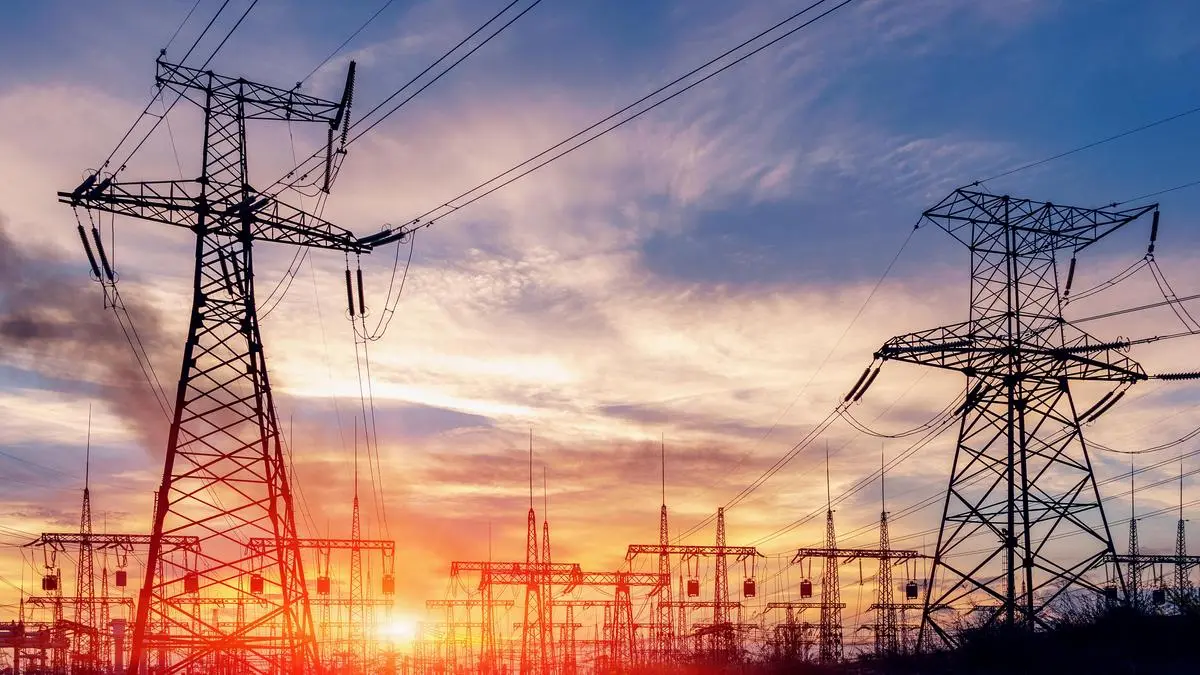
Global spending on electrical infrastructure is projected to reach USD 32 trillion over the next decade, as rising electricity demand from artificial intelligence (AI), electrification and industrial activity drives investment in power generation, grids, storage and critical minerals, according to a UBS report.
UBS noted that electricity demand in major developed markets was rising for the first time in decades, even after accounting for efficiency gains. AI infrastructure is adding to demand for power and equipment, while grid modernisation, electric vehicles, industrial automation and the energy transition are also competing for these resources.
“We project USD 32tr in global electrical infrastructure spending over the next decade, spanning power generation, grids, storage, and critical minerals,” UBS said.
Supply constraints could create opportunities for companies
The report said the scale of investment could create opportunities for companies operating in areas where supply constraints are most severe.
Businesses with limited production capacity, established order books, strong customer relationships and a track record of executing complex projects are likely to be better positioned to benefit.
“We think the most profitable potential opportunities from this trend exist where supply-side constraints are tightest, providing strong pricing power and unprecedented visibility to future revenues,” the report said.
Grid investment projected to approach $3 trillion annually by 2030
UBS also projected global grid investment at USD 500 billion in 2026, with annual investment across the sector potentially approaching USD 3 trillion by 2030.
However, the report cautioned that companies in the sector could face risks from rising financing costs, higher input prices, delays in obtaining permits and the pace of data centre construction.
Copper demand to benefit from infrastructure expansion
The report also highlighted copper as a key beneficiary of rising infrastructure demand. Power networks, electrification, data centres and AI infrastructure are expected to require substantial quantities of the metal.
UBS said supply was responding slowly to rising demand, as new mines take a long time to develop, ore grades are declining in several established mining regions and large projects face political, environmental and execution-related challenges. It expects copper prices to reach USD 15,500 per tonne by the end of 2027.
The report said the scale and duration of the electrical infrastructure investment cycle could be greater than markets currently anticipate, although financing and supply-side constraints remain important risks.
Source: BusinessLine Economy
Disclaimer: This article is for general information and does not constitute investment, tax or legal advice. Markets and rates change; please verify with official sources or a qualified professional before you act.