West Asia conflict has generated a relatively stronger oil price shock, larger rupee depreciation, surge in price of gold: RBI Study
RBI study shows West Asia conflict triggers stronger oil price shocks, rupee depreciation, and surging gold prices, broadening imported inflation versus the Russia-Ukraine episode.
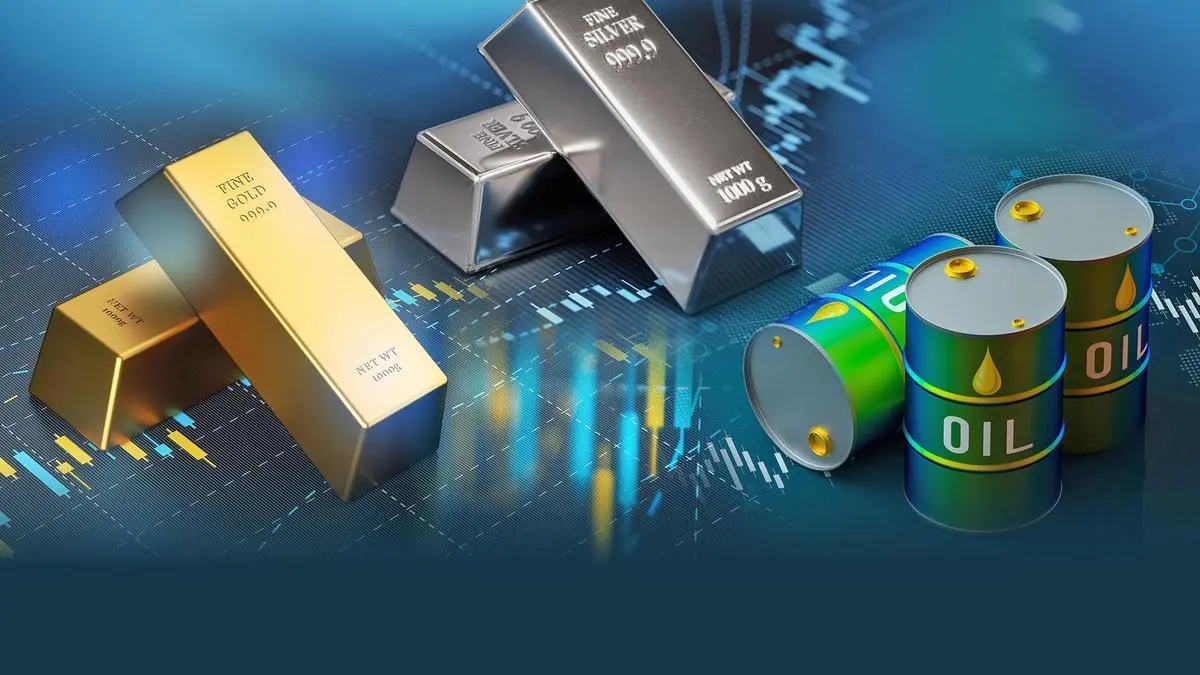
The West Asia conflict has generated a relatively-stronger oil price shock despite similarity in the levels of crude oil prices, a significantly larger depreciation of the Indian rupee and a surge in price of gold as compared with the Russia-Ukraine conflict, according to RBI study.
Consequently, inflationary pressures arising from the current episode are broader and more intense than those observed during the Russia-Ukraine conflict.
The study “Shifting Drivers of Imported Inflation: COVID-19 Pandemic to the West Asia Conflict”, published in the latest RBI monthly bulletin, noted that both Russia-Ukraine conflict and West Asia conflict episodes resulted in Brent prices reaching a comparable level of around $110 per barrel in March-May quarter in 2022 as well as 2026.
However, before the onset of Russia-Ukraine conflict (December 2021 to February 2022), the Brent averaged at around $85 per barrel, while before the onset of West Asia conflict (December 2025 to February 2026), the Brent averaged at $67 per barrel.
“Thus, the extent of crude oil price increase was much larger in the West Asia conflict episode (around 64 per cent compared with 29 per cent during the Russia-Ukraine conflict). This suggests that the West Asia conflict has generated a relatively-stronger oil price shock despite the similarity in the levels of crude oil prices,” per the study by RBI officials Snehal S. Herwadkar, Ishu Thakur, Abhiruchi Rathi, Paras and Parul Arora.
Although announcement of increase in retail fuel prices was delayed by nearly two months, retail petrol and diesel prices were increased by 7.4 per cent each after the onset of the West Asia Conflict (March 2026 to August 2026).
The officials noted that while this increase is higher than the price increase after the onset of Russia-Ukraine conflict (March 2022 to August 2022), it reflects only a partial pass-through of the increase in the global brent oil prices during March-August 2026.
Larger rupee depreciation
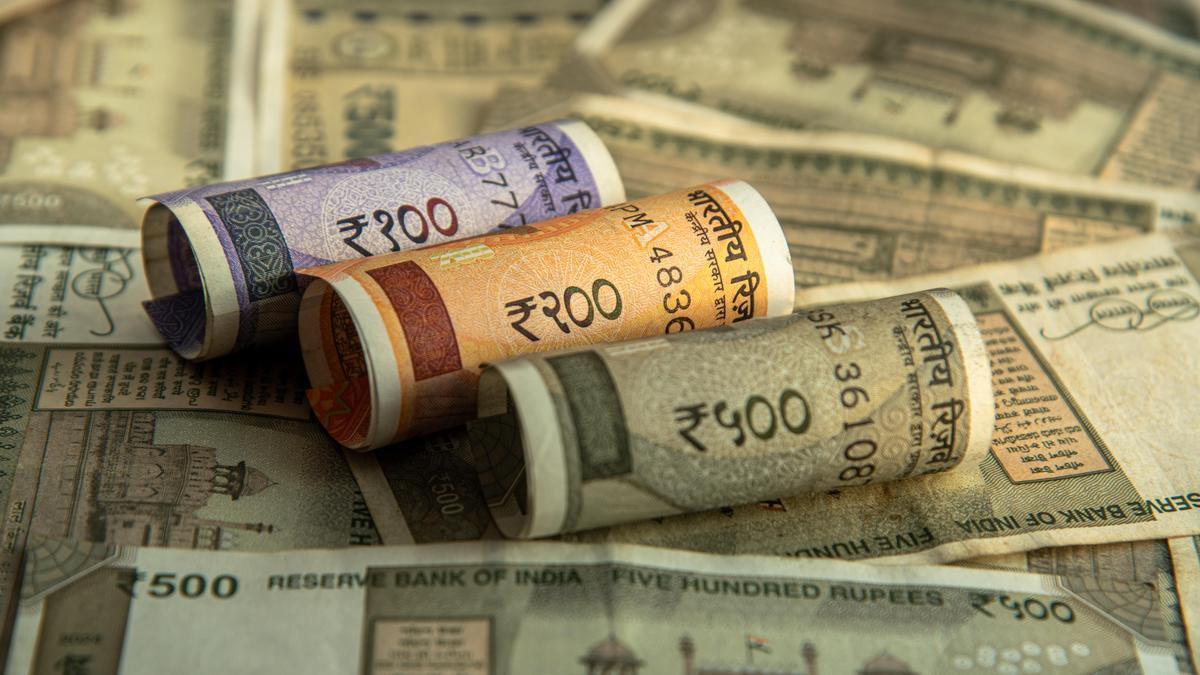
Compared with the Russia-Ukraine conflict, the West Asia conflict has also been associated with a significantly larger depreciation of the Indian rupee (4 per cent depreciation during December 2021 to May 2022 compared to 7.4 per cent during December 2025 to May 2026), suggesting stronger external sector pressures and a greater transmission of geopolitical shocks to domestic financial markets, per the officials’ assessment.
At its peak in October 2021, the contribution of petrol, diesel and other lubricants to imported fuel inflation was 62.9 per cent. In October 2026, petrol, diesel and other lubricants contributed 85.9 per cent to the imported fuel inflation.
Imported core inflation
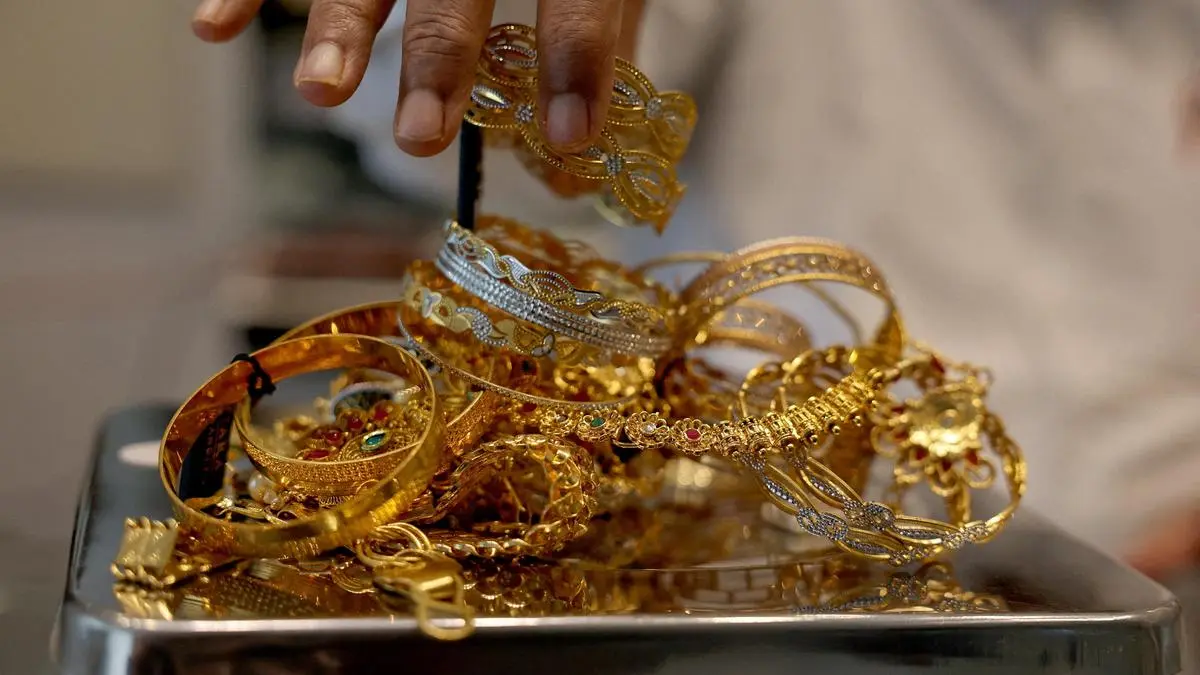
The officials observed that a key difference between the Russia-Ukraine and West Asia conflict episodes is the behaviour of precious metals prices. While gold, silver and platinum prices remained relatively contained during the Russia-Ukraine conflict, they have surged sharply ahead of and during the West Asia conflict.
Following uncertainty from trade and tariff restrictions, strong safe-haven demand and significant central bank purchases of gold, prices of these metals rose sharply through 2025. For instance, the year-on-year growth in gold prices in February 2022 was 2.7 per cent, while it was 73 per cent at its peak in February 2026.
The authors said given India’s significant reliance on imports for precious metals, this has created an additional source of imported inflation alongside higher crude oil prices.
Source: BusinessLine Money & Banking
Disclaimer: This article is for general information and does not constitute investment, tax or legal advice. Markets and rates change; please verify with official sources or a qualified professional before you act.