
The first day of the 8th Pay Commission consultations in Delhi began with high expectations on Tuesday, but getting any information out of the system turned out to be a story in itself.
After repeatedly calling the Pay Commission office , I made my way to the 3rd and 7th floors of Chanderlok Building on Janpath, where the meetings were being held.
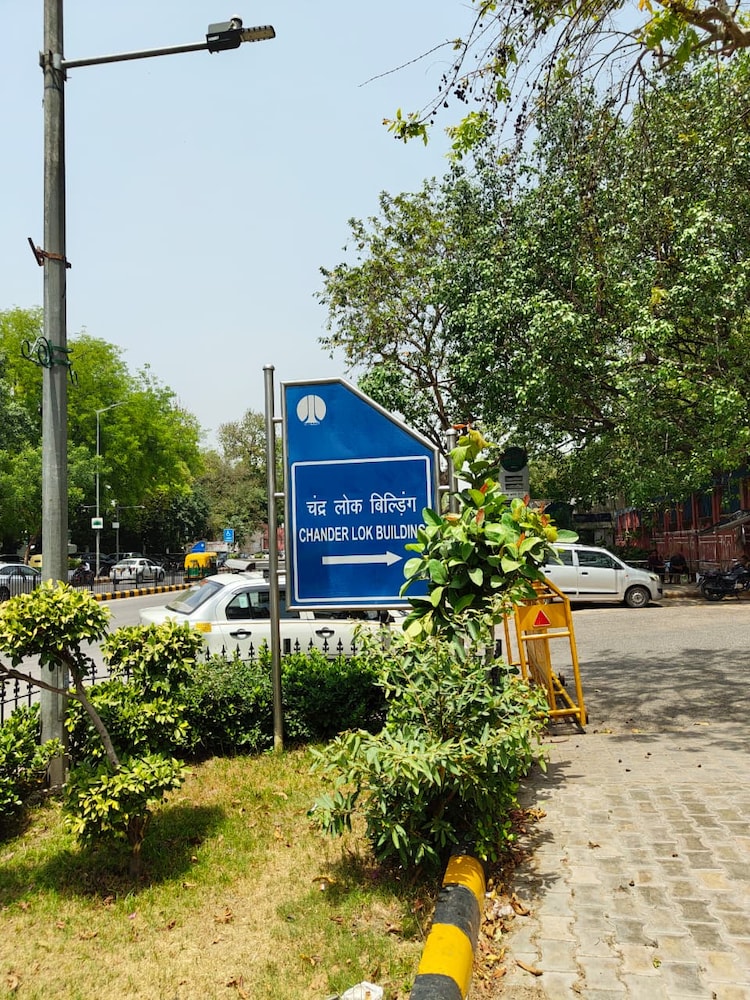
Not knowing anyone inside, I wasn’t sure how much information I would be able to access. Government offices, after all, tend to function within strict confidentiality and formal procedures.
The Chanderlok Building looked like any other government office, worn out, functional, and quietly waiting for a makeover. Scaffolding wrapped around parts of the structure suggested repairs and whitewash may finally be on the way.
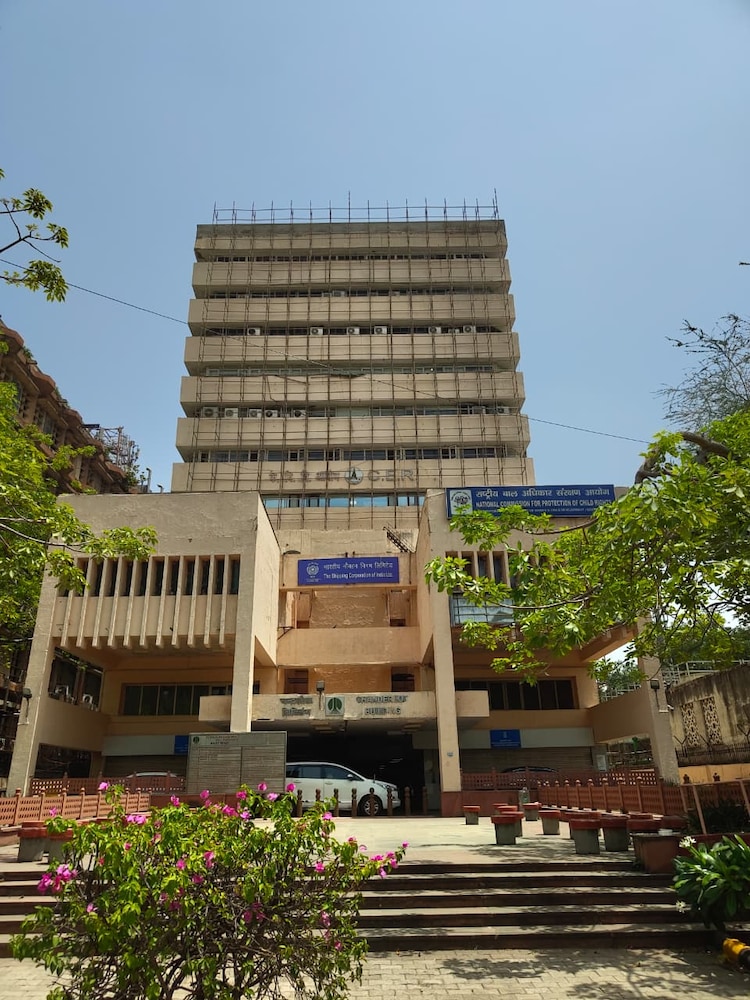
Inside, the pay commission meeting was underway, but there was little sense of what was unfolding behind closed doors. I walked in alongside a peon carrying trays of cold coffee, moving swiftly through the corridors to deliver them to officers battling Delhi’s heat.
He knew exactly where to go, who to serve and how to move without being stopped, something I had been struggling with since morning.
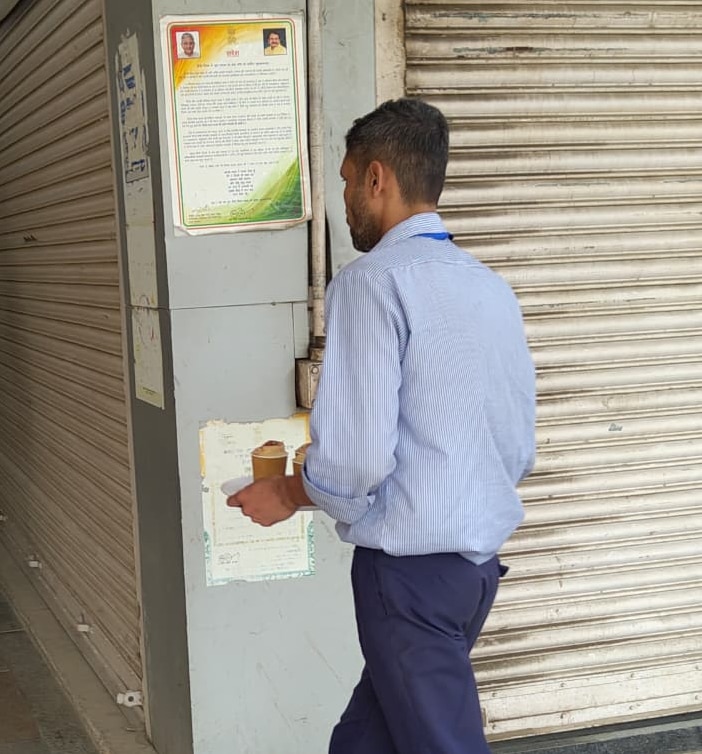
In that moment, it was clear who actually keeps a government office running. The peon didn’t need access, permissions or “clearance.” He had something more useful, familiarity.
A long list of departments pasted near the lift showed just how many offices function outside the building. It was a reminder of the scale of the bureaucracy behind decisions that affect millions.
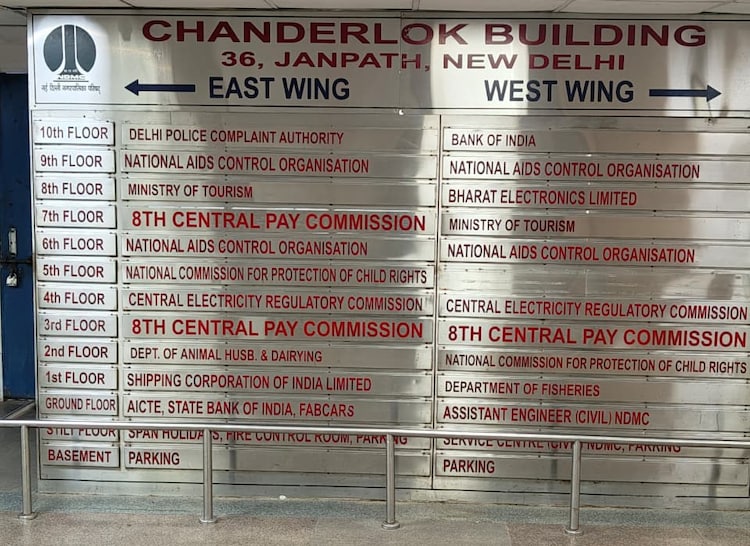
On the 3rd floor, where one part of the Commission was operating, security personnel quickly stepped in.
The response was firm and rehearsed: everything is confidential, no information can be shared, and the media should wait outside the building if they want to speak to officials.
With no access and no leads, I stepped out and informed my editor. The response was straightforward: keep trying.
So I kept at it.
I waited outside in the scorching Delhi heatwave, trying to identify officials entering or leaving the building. But like most government setups, there were no signs, no briefings, and no way to tell who was part of the meeting.
After hours of waiting and getting nowhere, I stepped out for lunch, filed a pending story, and returned — hoping for a breakthrough.
The second attempt, this time at the 7th floor, ended the same way. Entry denied. Same line. Same wall.
Just when it seemed like the day would end without any real update, the phone rang.
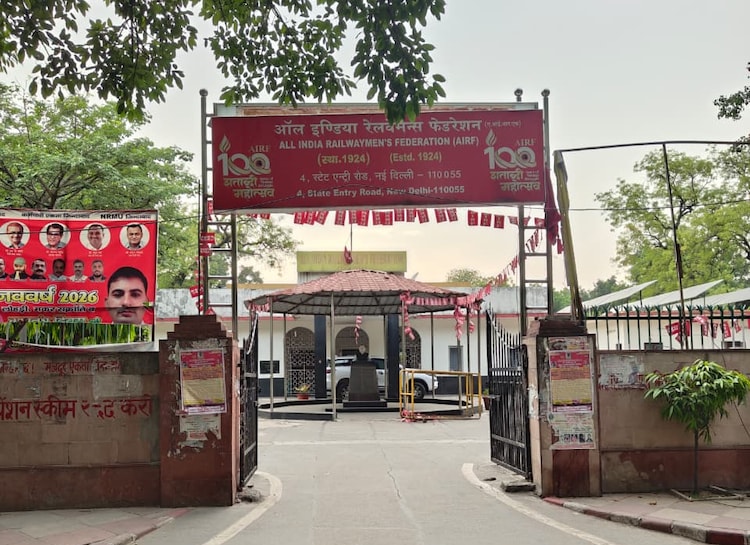
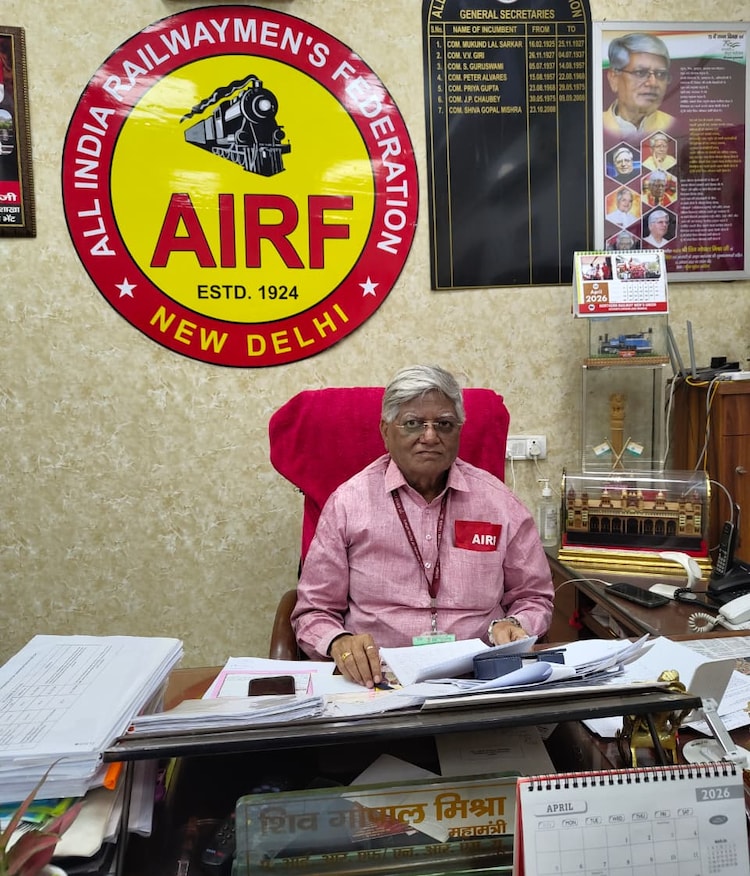
On the other end was Shiva Gopal Mishra, Convenor, National Council (Joint Consultative Machinery) Staff Side; General Secretary, All India Railwaymen’s Federation (AIRF) and National Railway Mazdoor Union (NRMU), a key voice in the trade union space, who had just stepped out of the meeting.
He asked me to come over to the AIRF headquarters in Connaught Place.
Mishra, who represents around 36 lakh central government employees, said Day 1 was the first formal interaction between employee representatives and the Commission.
“We tried to tell them that NC-JCM represents about 36 lakh government employees. Railways, Defence, Civil Services, Income Tax, Postal, Audit — all are involved,” he said.
He said the staff side had already submitted a detailed memorandum and used the meeting to explain its key points.
At the centre of the discussion were three major demands:
1) Fitment factor of around 3.83
2) Minimum basic pay of Rs 69,000
3) Restoration of the old pension system
“These two issues — minimum wage of Rs 69,000 and fitment factor — are correlated and must be considered together,” Mishra said.
We how the fitment factor is applied to current salaries to arrive at revised pay, which in turn determines the new minimum basic pay.
One of the most significant demands was a change in the way salaries are calculated.
Mishra pointed out that the current system is outdated and unfair.
“Earlier calculations were based on units where a man was 1 and a woman was 0.8. This is gender discrimination. This is not acceptable,” he said.
He added that children should be treated as full units and parents should also be included in the family unit, citing both social realities and legal obligations under the Senior Citizens Act.
The union also argued that older benchmarks used to fix salaries no longer reflect current realities. He pointed out that earlier dietary calculations were based on lower calorie intake, while newer standards by ICMR suggest higher requirements.
“The expectations of people today have changed if that facility is not provided, people will have to wait another ten years,” he said.
He added that modern needs such as mobile usage, data consumption and better quality clothing should be factored into wage calculations.
The staff side also pushed for:
1) Annual increment increase from 3% to 6%
2) Allowances such as HRA, transport and others to be increased up to three times
3) Restoration of earlier promotion-linked benefits
“We have calculated scientifically that allowances should be at least three times,” Mishra said.
Concerns were also raised about working conditions in certain departments.
“Hundreds of people die every year in railways there are risks and hardship conditions. These must be addressed through proper allowances,” he said.
He pointed to the need for officiating allowance when employees take on additional responsibilities in place of absent staff.
Mishra said the staff side also requested the Commission to give more time for unions to submit memorandums. “We have said that many people have not been able to submit their memorandum yet the timeline should be extended,” he said.
In a broader structural demand, employee representatives suggested reducing the Pay Commission cycle.
“Pay Commission comes after 10 years. But in banking and other sectors, wage revision happens in 5 years. Ten years is too long,” Mishra said.
For the first meeting, there were no commitments from the Commission members.
“They said your memorandum has come, we have seen it you have explained it today. We will try our best,” Mishra said.
He described the overall tone as encouraging.
“You cannot expect much from the first meeting, but the attitude was very positive,” he added.
He also noted that the chairperson responded positively to concerns around gender fairness.
The Commission has been given an 18-month timeline to submit its report. “The timeline of the Government of India is 18 months but with digitalisation, it can be faster,” Mishra said.
He added that employees expect implementation from January 2026.
The first day of the meetings was not about decisions. It was about setting the tone.
Inside the room, employee representatives laid out a wide-ranging and detailed set of demands, from higher pay and allowances to structural changes in how salaries are calculated.
Outside, it was a reminder of how the system still works, where access is limited, answers are guarded, and persistence matters more than process.
And somewhere in between, a peon carrying cold coffee moved through the corridors without being stopped — perhaps the only person in the building who didn’t need permission to get the job done.