
India produced a record amount of sugarcane this season. Yet . Retail prices that were around Rs 48 per kg have risen sharply, crossing Rs 65 in some markets and putting pressure on consumers ahead of the festive season.
The contradiction goes to the heart of India’s sugar squeeze: more sugarcane does not necessarily mean more sugar.
As the crushing season progressed, the amount of sugar that mills could extract from the crop fell short of expectations. Crop disease hurt sugar recovery, while early production estimates remained far more optimistic than the eventual output.
Exports had already been permitted, the market began anticipating tighter supplies and the government was eventually forced to curb exports, crack down on stockholding and allow duty-free imports of raw sugar.
The government’s explanation has focused on a combination of lower-than-expected production, crop damage, rising festive demand, tightening global supplies and speculation and hoarding. It has rejected the argument that for the latest price surge.
But the events of the past several months point to a larger problem. India’s sugar outlook changed as the season unfolded, and the numbers that initially suggested comfortable supplies did not hold.
The agriculture ministry’s third advance estimate, released on May 27, projected sugarcane production at 5,000.63 lakh tonnes. But record sugarcane production does not necessarily mean a proportionate increase in sugar output.
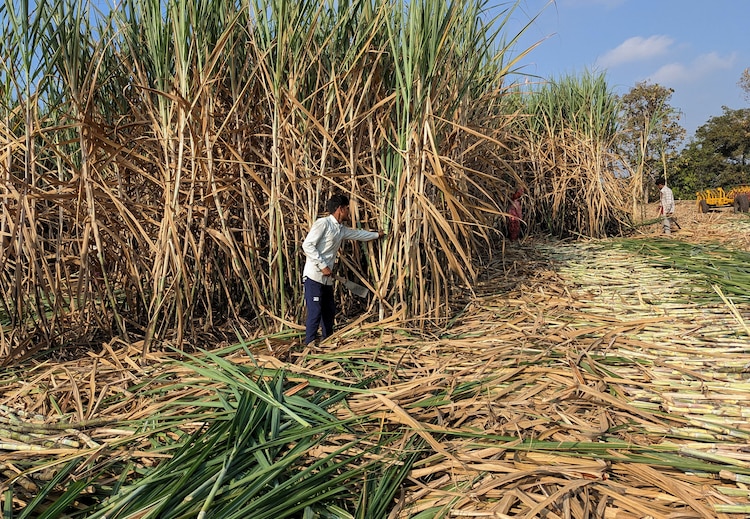
What matters is also the sugar recovery rate — the amount of sugar that can be extracted from a given quantity of cane.
If the recovery rate is 10%, for example, a mill would broadly obtain around 10 kg of sugar from 100 kg of sugarcane. This season, however, the national average recovery rate fell from around 9.70% to 8.91%.
That seemingly small change matters enormously when applied to millions of tonnes of sugarcane. India had plenty of cane on paper, but the crop yielded less recoverable sugar than the headline production numbers suggested.
The government has attributed the production decline to Red Rot and Top Borer disease, along with waterlogging caused by excess rainfall. It may be noted that Red rot is a fungal disease that damages sugarcane from within, while top borer is an insect pest that attacks the plant’s upper stem, with both reducing the cane’s sugar content and yield.
Sugar production for the 2025-26 season is now expected at around 306 lakh metric tonnes, down from an initial estimate of around 343 LMT.
The result was the central gap behind the current price surge: strong sugarcane production numbers did not translate into the expected amount of sugar reaching the market.
The next question is when the scale of the problem became apparent. Field surveys conducted by scientists associated with the Indian Council of Agricultural Research between December 2025 and February 2026 had identified the spread of Red Rot in important sugar-producing regions.
The disease can affect the quality of the cane and its sucrose content, directly affecting the amount of sugar mills can extract.
These field-level signals should have helped policymakers assess the likely impact on sugar recovery and eventual production. Yet the broader supply outlook remained comfortable for some time.
The initial estimate from sugarcane-growing states put production at around 343 LMT. That estimate was eventually cut by more than 10% to around 306 LMT.
This is where the story becomes less about a sudden shortage and more about a changing supply picture. Sugarcane production was high, but deteriorating crop quality meant less sugar could be extracted from it.
The timing of sugar exports has become another important part of the story. In November 2025, the government allowed mills to export around 15 lakh tonnes of sugar. The export quota was later raised to 20 lakh tonnes as policymakers expected domestic supplies to remain comfortable.
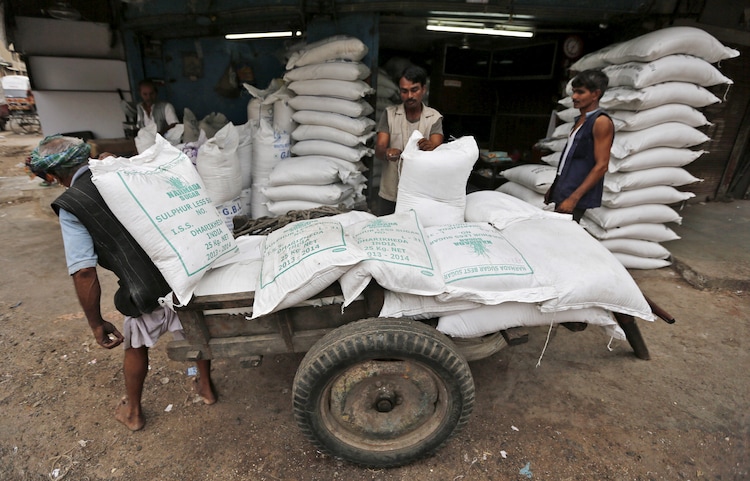
Only around 8 lakh tonnes were eventually shipped before exports were restricted. The government moved in May to protect domestic availability as the supply outlook weakened.
That means exports were not the sole cause of the current squeeze. India did not, in the end, export the entire 20 LMT it had been permitted to ship.
But the sequence still raises a question about timing.
When the export policy was shaped, the expectation was that India would produce enough sugar to meet domestic demand and still have a surplus. That assumption later changed as production and recovery estimates weakened.
By the time the full extent of the shortfall became clearer, some domestic sugar had already been exported and the crushing season was nearing its end.
The government has now made a dramatic policy reversal, allowing duty-free imports of up to 10 lakh tonnes of raw sugar until October 31 to increase domestic availability and ease prices.
Ethanol has become an easy suspect in the .
India has spent years pushing ethanol blending in petrol, and sugar mills can use sugarcane, sugarcane juice and other cane-based feedstocks to produce ethanol instead of sugar.
On the face of it, that creates an obvious question: did ethanol leave less sugar for the domestic market?
The government says no. According to the Ministry of Consumer Affairs, it is incorrect to attribute the latest increase in sugar prices to diversion for ethanol. The share of sugar diverted towards ethanol has fallen from around 12% in 2022-23 to around 9% in 2025-26, while nearly three-fourths of India’s ethanol production now comes from grains, particularly maize.
That does not mean ethanol is irrelevant to the broader sugar balance.
The growth of ethanol has changed the way India manages surplus sugarcane and the economics of the sugar industry. When supplies are abundant, diverting some feedstock towards ethanol can help mills and prevent excess sugar stocks from building up.
But when the production outlook weakens, the balance has to be recalibrated.
Indeed, as concerns about sugar availability intensified, policymakers began considering tighter restrictions on the use of cane-based feedstocks for ethanol in the next season, with greater reliance on maize and other grains to maintain the country’s ethanol-blending targets.
So the bigger question is not whether ethanol alone caused the current price surge. It did not, according to the government’s own data. The question is how quickly the balance between sugar and ethanol production can be adjusted when the sugar outlook changes.
The fundamental supply picture was only one part of the problem. As production estimates weakened and the crushing season progressed, the market began anticipating tighter supplies.
Wholesale sugar prices rose sharply, while the government said speculation and hoarding by some sections of the industry had also contributed to the price increase.
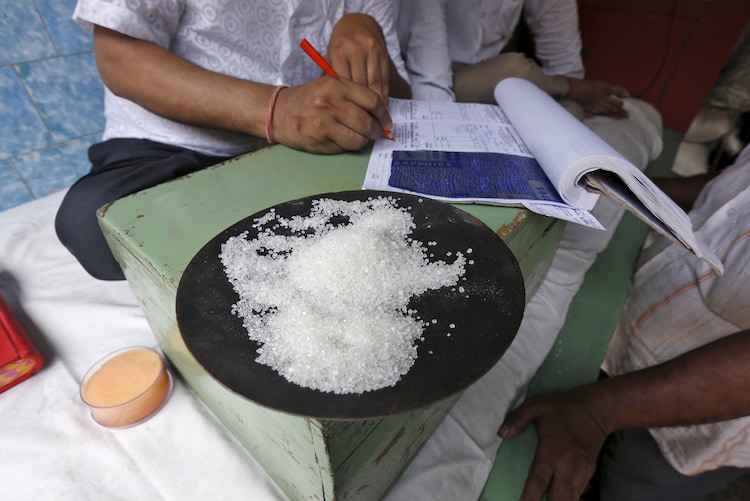
The government eventually responded with physical inspections and tighter stockholding limits.
Dealers were restricted in the amount of sugar they could hold, and bulk consumers using more than 10 tonnes a month were later limited to holding 15 days’ worth of inventory.
This is an important distinction in understanding the price surge.
Lower production created the underlying pressure. Expectations of tighter supplies — and the possibility that some market participants held on to stocks in anticipation of further price increases — may then have made the squeeze more visible in the market.
This is the point at which all the numbers come together.
India initially expected around 343 LMT of sugar production. The latest government estimate is around 306 LMT — a shortfall of roughly 37 LMT from those early expectations.
That gap became much more consequential because the sugar balance had already been built around the expectation of a larger crop.
Export quotas had been opened. Some sugar had been shipped overseas. Ethanol remained part of the equation, even if it was not the main reason for the latest price rise. And as the market began factoring in lower production, demand was heading towards its seasonal peak.
Then came another problem: the crushing season was ending.
Once mills stop crushing cane, India cannot simply produce another batch of sugar to quickly fill an unexpected gap. The country has to rely on the stocks already available until the next season begins.
The government says the country still has enough sugar to meet domestic demand until the new crushing season starts in October. But the lower-than-expected production and shrinking supply cushion have been enough to push prices sharply higher.
That is why the shortage became visible with such force.
The headline number — record sugarcane production — created an impression of comfortable supplies. But lower recovery meant the crop ultimately produced far less sugar than those early expectations assumed.
India’s response underlines how dramatically the situation has changed. A country that allowed sugar exports earlier in the season is now importing raw sugar to boost domestic supplies.
The government has opened a duty-free window for 10 lakh tonnes of raw sugar, its first significant move to import sugar in nearly a decade, as it tries to cool prices before the peak festive-demand period.
Some of the immediate relief is expected to come from port-based refineries that can sell refined sugar into the domestic market, while large shipments from overseas suppliers such as Brazil could take longer to arrive.
For consumers, however, the story is already visible on the shop shelf.
Government data showed the all-India retail price rising from Rs 48.18 per kg on July 20 to Rs 55.70 per kg on August 20, while prices in some markets have gone significantly higher.
With Ganesh Chaturthi, Dussehra and Diwali driving up seasonal demand, the government is now trying to prevent a tight supply situation from turning into a bigger price shock.
India entered the season with the comfort of a record sugarcane crop. It is heading into the festive season with higher prices, tighter stockholding rules, an export ban and imports of raw sugar.
The lesson from the current squeeze is simple but important: sugarcane and sugar are not interchangeable numbers.
A bumper cane crop can still leave a country short of sugar if the crop yields less sugar than expected. And when production estimates, export decisions and the management of available stocks are based on a supply outlook that later changes, the consequences can become visible only when there is very little time left to correct the imbalance.