
A wave of branded residence launches in Noida and Gurugram underscores how developers are competing to stand out through ultra-luxury amenities and global brand tie-ups. As both micro-markets try to outdo each other on brand differentiation, buyers must look beyond the label and assess whether a real estate project delivers value across service, design, status, and overall living experience.
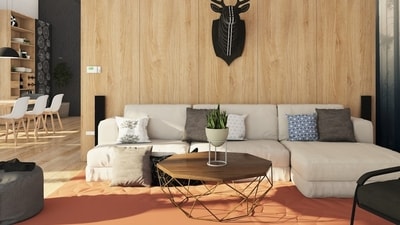
The landscape of branded residences has expanded significantly. Developers are partnering with international real estate brands, luxury watchmakers, boutique fashion houses, lifestyle labels, interior designers, and even premium automobile brands to create homes with distinct positioning. The aim is clear: to offer high-end living experiences that blend lifestyle, design, and global brand appeal.
After more than a decade, branded residences are back in multiple formats. Some are service-led, offering hotel-style living with concierge, housekeeping and end-to-end property management. Others are design-led, where global names such as Armani, Trump or Versace bring their architectural and aesthetic signature. Across formats, these homes cater to a niche buyer focused on comfort, exclusivity and status rather than pure investment returns.
Typically priced upwards of ₹15 crore, branded residences command an 8–10% premium over standard luxury housing. Buyers in this segment are usually willing to pay for location, design and lifestyle differentiation.
Due diligence is critical
For prospective buyers, the key is to determine whether the brand association is meaningful or merely cosmetic. Important questions include: Is real estate core to the brand’s business? Does it have a dedicated global real estate vertical? Has it delivered similar projects successfully? And what tangible value does it bring to the development?
“The branded tag alone does not guarantee a risk-free purchase,” said Sunil Tyagi, Managing Partner, ZEUS Law. “Buyers should understand whether the brand is actively involved in development and management or simply lending its name. This directly impacts service quality, accountability and costs.”
Maintenance and service charges are typically higher due to premium amenities and staffing standards, and must be factored into long-term affordability. Buyers should also verify RERA registration, review project timelines, and assess the developer’s track record, even when a reputed brand is attached, say real estate experts.
Equally important is understanding the structure of the branding agreement. If the brand is only licensing its name, liabilities for delays or construction issues remain with the developer. Buyers should also check whether the brand association is for a fixed term and what happens if that agreement expires, says Tyagi.
Brand, buyers and long-term value
The brand partnership should enhance the offering, not just justify a premium. Aligning with the right buyer profile also matters, as certain brands naturally appeal to CXOs, CEOs and high-net-worth individuals, say experts.
Importantly, these partnerships typically extend through the life of the project, ensuring that the development continues to adhere to the brand’s standards and identity, say experts.
Also Read:
Recent launches in NCR
Recent deals highlight the growing momentum in this segment. has tied up with Italian lifestyle brand Tonino Lamborghini to develop a ₹2,900 crore luxury project in Gurugram’s Sector 71, spread across 12.4 acres with over 800 units.
has launched The Falcon on Gurugram’s Golf Course Road in partnership with YOO Inspired by Starck. The ₹500 crore boutique project will feature 96 residences, priced from ₹10 crore.
In Noida, has partnered with Indian Hotels Company Ltd (IHCL) to develop Taj-branded serviced apartments as part of a larger ₹1,000 crore project along the Noida Expressway. The ultra-luxury units, spanning about 7,500 sq ft each, are priced between ₹35 crore and ₹40 crore.
What are branded residences?
Branded residences are homes developed in collaboration with globally recognised brands that lend their names, design philosophies and, sometimes, operational expertise. Hospitality majors such as Marriott International, Four Seasons, Accor, Mandarin Oriental and Rosewood are key players, alongside brands from the fashion, automotive and design sectors.
According to Knight Frank, India’s branded residences sector is still nascent but growing rapidly. The country ranks sixth globally in completed branded residence projects and tenth in the development pipeline, signalling strong future supply.
Also Read:
With a rising base of ultra-high-net-worth individuals and increasing appetite for global lifestyle products, branded residences are fast emerging as a distinct segment within India’s luxury housing market. However, for buyers, the real value lies not in the , but in what it genuinely delivers.