
Banks retreat from microfinance, ceding ground to specialist lenders: CRIF High Mark
Banks lose ground in India’s microfinance as NBFC-MFIs surge; sector consolidation, disciplined risk controls, and bigger loan sizes emerge.
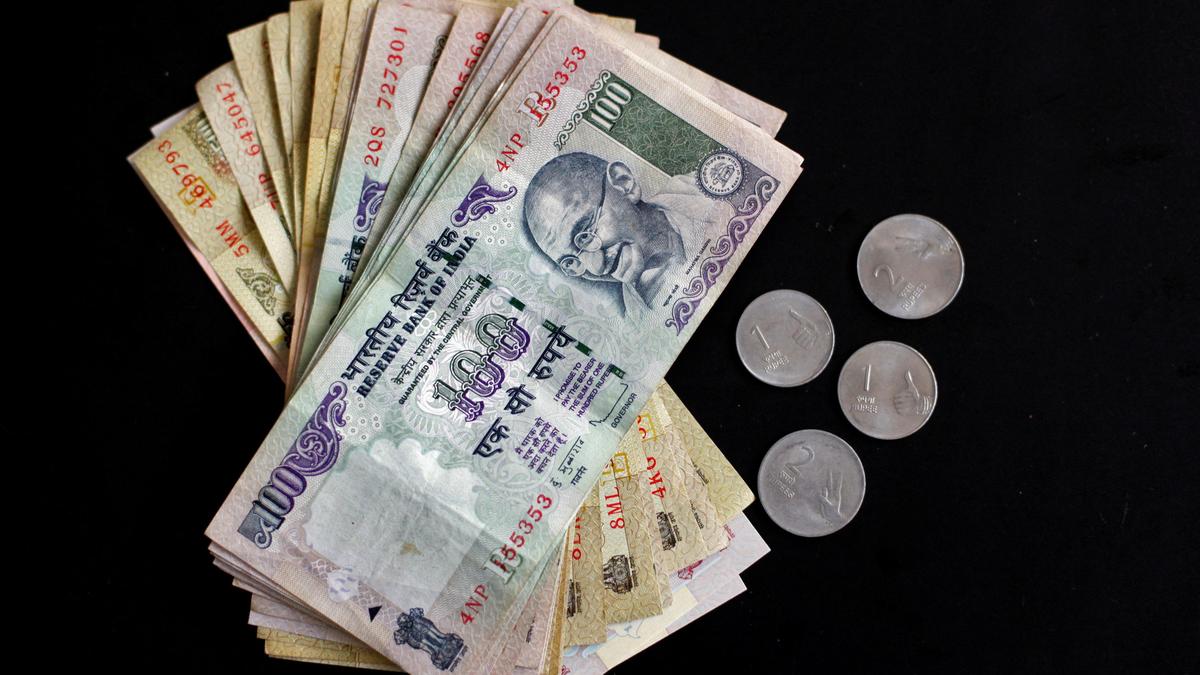
Banks are rapidly losing ground in India’s microfinance market, with their share of the industry’s outstanding loan portfolio falling to 21.8 per cent in September 2026 from 31.3 per cent a year earlier, as lenders pulled back from the segment amid tighter risk controls and a sector-wide recalibration, according to the credit information bureau. CRIF High Mark
It showed banks’ microfinance portfolio shrank 34 per cent year-on-year to ₹71,500 crore (₹1.08 lakh crore) at the end of September, marking the steepest decline among lender categories. In contrast, specialist NBFC-MFIs expanded their market share to 44.7 per cent from 38.8 per cent a year ago, with their loan book rising 9.4 per cent to ₹1.47 lakh crore (₹1.34 lakh crore).
The shift comes as the overall microfinance sector continues to undergo consolidation following a period of stress linked to borrower overleveraging and rising delinquencies. Overall, though, the industry’s gross loan portfolio declined by 5 per cent year-on-year to ₹3.28 lakh crore as of September, while the number of active loans fell 22.4 per cent and the live borrower base dropped 15 per cent.
Improved Discpline
Despite the contraction, lenders showed signs of improved discipline, with asset quality largely stable. Portfolio-at-risk in the 31-90 days past due bucket remained unchanged at 0.8 per cent between June and September, while the 91-180 days bucket also held steady at 0.8 per cent, according to the credit bureau.
The data also pointed to a growing preference for larger-ticket loans. Average loan size increased 17.5 per cent year-on-year to ₹63,100, while loans above ₹1 lakh recorded the fastest growth, rising 41.3 per cent from a year earlier. More than 70 per cent of such loans were extended to existing customers of the same lender.
Loan Books
State-wise trends remained mixed, with most major microfinance markets reporting a decline in portfolio outstanding amid tighter lending standards. Tamil Nadu stood out as an exception, recording a 3.7 per cent sequential increase in its loan book while also showing an improvement in delinquency levels.
Meanwhile, overall, quarterly disbursements stood at ₹56,956 crore in the September quarter, down 7.5 per cent sequentially but 5.1 per cent higher than a year ago, indicating lenders remain selective even as demand gradually recovers. NBFC-MFIs accounted for nearly half of all fresh disbursements during the quarter.
Source: BusinessLine Money & Banking
Disclaimer: This article is for general information and does not constitute investment, tax or legal advice. Markets and rates change; please verify with official sources or a qualified professional before you act.