India, Canada race to speed up free trade pact ahead of Modi’s visit next month
ndia and Canada are accelerating negotiations for the proposed free trade agreement, with predictable market access for agricultural products including Canadian pulses, greater access for services and more visas for Indian workers and students among the key issues the two sides are seeking to resolv…
India and Canada are accelerating negotiations for the proposed free trade agreement, with predictable market access for agricultural products including Canadian pulses, greater access for services and more visas for Indian workers and students among the key issues the two sides are seeking to resolve, sources said.
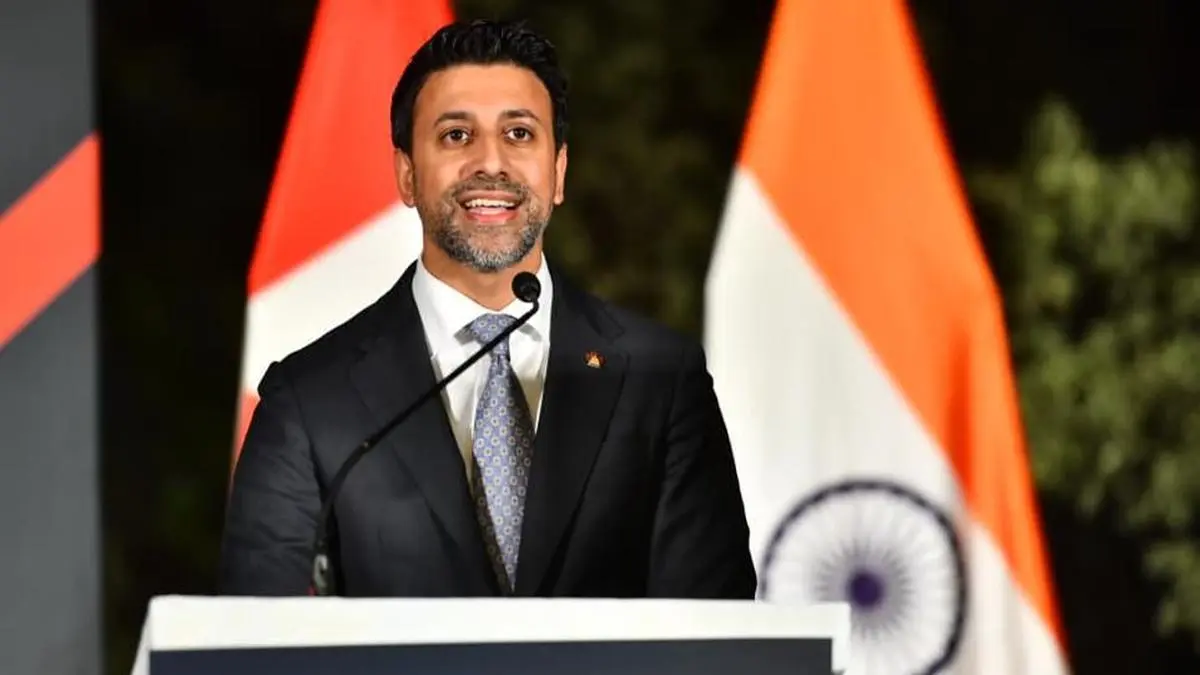
Canadian Trade Minister Maninder Sidhu is scheduled to visit New Delhi next week for the sixth round of negotiations on the India-Canada Comprehensive Economic Partnership Agreement (CEPA), barely a month after the previous round in Ottawa, as both countries seek to conclude the pact ahead of Prime Minister Narendra Modi’s proposed visit to Toronto and Ottawa on December 11-12.
Bridging differences
“While considerable progress has been made on several fronts, the two sides are still working to bridge differences over market access, services and the mobility of workers and students. Canada is especially keen on lower duties and predictability on pulses. Common ground also needs to be established on labour laws, environment and digital trade”, a source tracking the matter told businessline.
Sidhu is expected to be in New Delhi next week with his negotiating team to try and push the free trade talks towards conclusion, the source added. “There may be another round of negotiations next month before PM Modi’s visit. The idea is to announce the conclusion of the deal during the visit, following which legal vetting and formal ratification can happen,” the source said.
The pace of negotiations has gathered strong momentum after the CEPA talks were officially launched in March this year by Commerce Minister Piyush Goyal and his counterpart Sidhu in the presence of Modi and Canadian PM Mark Carney in New Delhi.
With trade relations with Washington facing disruptions and uncertainties, Ottawa is looking to expand commercial engagement with other major economies, including India, and reduce its dependence on the US market. New Delhi, too, is looking to diversify its trade to reduce dependence on traditional markets, particularly amid continuing uncertainty over Washington’s tariff policies.
Canada and India aim to more than double their two-way goods and services trade to Canadian $70 billion annually by 2030, up from Canadian $30.4 billion in 2025, per the Canadian government.
Biz delegation
Sidhu’s visit to India last month, accompanied by a large business delegation, had also provided momentum to the engagement, with the two sides exploring opportunities to deepen commercial ties and expand investment.
For India, greater mobility for professionals and students through adequate and predictable visa provisions remains an important negotiating priority. New Delhi is also seeking more predictable access for its agricultural products and farm inputs, while addressing concerns over SPS and technical standards that could affect exports.
The proposed agreement is also expected to cover cooperation in energy, advanced manufacturing and artificial intelligence, besides strengthening supply chains for critical minerals.
Source: BusinessLine Economy
Disclaimer: This article is for general information and does not constitute investment, tax or legal advice. Markets and rates change; please verify with official sources or a qualified professional before you act.